
Breakfast in Japan is very different from the sweet and heavy breakfasts that are common in many Western countries. Instead of pancakes, sugary cereals, or pastries, a traditional Japanese breakfast focuses on balance, fresh ingredients, and nutrition. If you’ve ever wondered what do Japanese eat for breakfast, the answer is a combination of simple dishes that provide energy while supporting a healthy lifestyle.
Whether you’re planning a trip to Japan or simply want to bring healthier eating habits into your daily routine, understanding the Japanese breakfast tradition offers valuable insight into the country’s food culture.
What Do Japanese Eat for Breakfast?
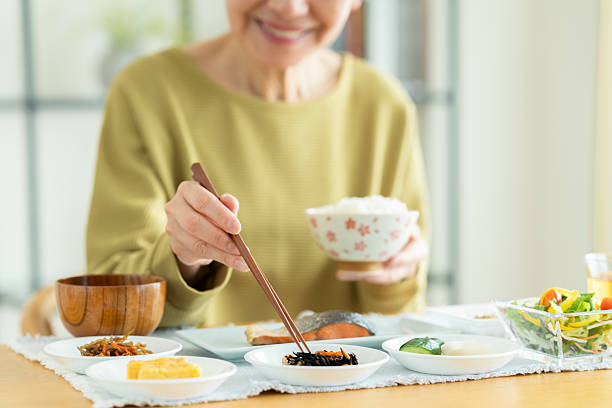
The traditional Japanese breakfast usually includes several small dishes served together. Rather than relying on processed foods, the meal emphasizes fresh ingredients, natural flavors, and a balanced mix of carbohydrates, protein, vegetables, and healthy fats.
A typical breakfast often consists of:
- Steamed white rice
- Miso soup
- Grilled fish such as salmon or mackerel
- Pickled vegetables (tsukemono)
- Tamagoyaki (Japanese rolled omelet)
- Natto (fermented soybeans)
- Green tea
This combination creates a satisfying meal that keeps people full throughout the morning.
Why Is Japanese Breakfast Considered Healthy?
One reason many people ask what do Japanese eat for breakfast is because Japan is well known for having one of the healthiest populations in the world.
A traditional breakfast is naturally rich in protein, vitamins, minerals, and fiber while remaining relatively low in added sugar. Grilled fish provides heart-healthy omega-3 fatty acids, miso soup contains fermented ingredients that support gut health, and vegetables add important nutrients without excessive calories.
Unlike many fast breakfasts, Japanese meals focus on whole foods rather than processed products.
Modern Japanese Breakfast Choices
Life in Japan has become increasingly busy, and not everyone has time to prepare a traditional breakfast every morning.
Many people now choose quicker options, including:
- Toast with butter or jam
- Yogurt with fruit
- Rice balls (onigiri)
- Sandwiches from convenience stores
- Fresh fruit
- Coffee instead of green tea
Despite these modern changes, many families still enjoy traditional breakfasts on weekends or during special occasions.
Regional Breakfast Differences Across Japan
Japan’s diverse regions also influence breakfast menus.
In coastal areas, freshly grilled seafood is more common, while rural communities often serve locally grown vegetables and homemade pickles. Northern regions may include heartier soups during colder months, while southern prefectures often feature lighter dishes using seasonal ingredients.
These regional variations make Japanese breakfast culture both diverse and exciting.
Can You Make a Japanese Breakfast at Home?
Absolutely. You don’t need to live in Japan to enjoy a traditional Japanese breakfast.
A simple homemade version can include steamed rice, a bowl of miso soup, grilled salmon, scrambled eggs or tamagoyaki, and green tea. Most ingredients are available in Asian grocery stores or international supermarkets.
Even preparing one or two traditional dishes alongside your usual breakfast can introduce healthier eating habits into your routine.
Final Thoughts
If you’ve been asking what do Japanese eat for breakfast, the answer is much more than a single dish. Japanese breakfasts are built around balance, freshness, and nutrition. Traditional meals featuring rice, miso soup, grilled fish, eggs, vegetables, and green tea have been enjoyed for generations and continue to represent one of the healthiest breakfast styles in the world.
While modern lifestyles have introduced quicker breakfast options, the traditional Japanese breakfast remains an important part of the country’s culinary identity. Whether you’re exploring Japanese culture or looking for healthier meal ideas, trying a Japanese-style breakfast is an excellent place to start.
