
A healthy Japanese breakfast is known around the world for its balance, nutrition, and simplicity. Unlike sugary cereals or heavy fast-food breakfasts, a traditional Japanese morning meal provides a combination of protein, healthy carbohydrates, vegetables, and fermented foods that keep you energized throughout the day.
Whether you’re looking to improve your eating habits or simply want to experience authentic Japanese cuisine, learning about a healthy Japanese breakfast is a great place to start.
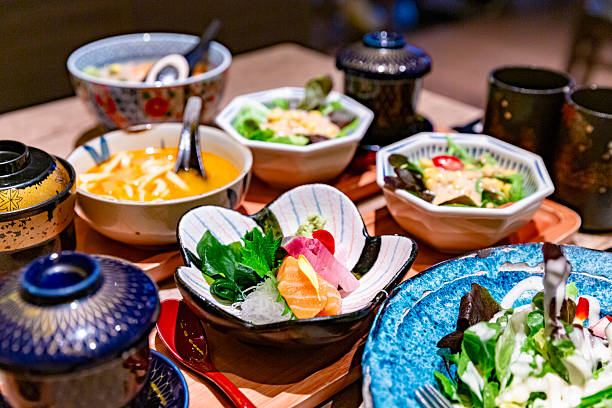
What Is a Healthy Japanese Breakfast?
A healthy Japanese breakfast typically includes several small dishes instead of one large meal. Each item contributes different nutrients, creating a balanced plate that supports overall health.
A traditional breakfast often consists of:
- Steamed rice
- Miso soup
- Grilled fish
- Tamagoyaki (Japanese rolled omelet)
- Pickled vegetables
- Natto (fermented soybeans)
- Green tea
This combination provides protein, fiber, vitamins, minerals, and healthy fats without excessive sugar or processed ingredients.
Why Is a Healthy Japanese Breakfast So Popular?
Japan is home to one of the world’s longest life expectancies, and many nutrition experts believe its traditional diet plays an important role. A healthy Japanese breakfast emphasizes fresh, seasonal ingredients and moderate portions.
Some of the key benefits include:
- Long-lasting energy throughout the morning
- Better digestion from fermented foods
- High-quality protein for muscle health
- Essential vitamins and minerals from vegetables
- Lower intake of processed sugar
This balanced approach helps people feel satisfied without overeating.
Essential Foods in a Healthy Japanese Breakfast
Steamed Rice
Rice serves as the foundation of most Japanese breakfasts. It provides complex carbohydrates that supply steady energy without the sugar crash associated with many Western breakfast foods.
Miso Soup
Made from fermented soybean paste, miso soup contains probiotics that support gut health. It is often prepared with tofu, seaweed, mushrooms, or green onions for added nutrition.
Grilled Fish
Fish such as salmon or mackerel offers high-quality protein and omega-3 fatty acids, which are beneficial for heart and brain health.
Tamagoyaki
Japanese rolled omelet is lightly seasoned and cooked into thin layers. It provides protein while adding a soft texture and mild sweetness to the meal.
Pickled Vegetables
Japanese pickles add flavor while supplying beneficial bacteria that support digestive health. They also provide vitamins and minerals with very few calories.
How to Make a Healthy Japanese Breakfast at Home
Preparing a healthy Japanese breakfast doesn’t have to be difficult. You can start with a simplified version that still captures the traditional balance.
Try this easy meal:
- One bowl of steamed rice
- A cup of miso soup
- Grilled salmon
- One sliced cucumber or pickled vegetables
- Green tea
The meal takes less than 30 minutes to prepare if some ingredients are made ahead of time.
Is a Healthy Japanese Breakfast Good for Weight Management?
Yes. A healthy Japanese breakfast focuses on nutrient-dense foods rather than empty calories. Because the meal contains protein, fiber, and healthy fats, it helps keep you full for longer and reduces unnecessary snacking later in the day.
Portion control is another important feature. Instead of oversized servings, Japanese breakfasts encourage eating a variety of foods in moderate amounts.
Tips for Enjoying a Healthy Japanese Breakfast
If you’re new to Japanese cuisine, keep these tips in mind:
- Choose fresh ingredients whenever possible.
- Limit processed foods and sugary drinks.
- Include both protein and vegetables in every meal.
- Drink green tea instead of sweetened beverages.
- Experiment with seasonal ingredients to keep breakfast interesting.
These simple habits can help you enjoy a more balanced and nutritious start to your day.
Final Thoughts
A healthy Japanese breakfast is much more than a traditional meal—it’s a lifestyle centered on balance, freshness, and mindful eating. With wholesome ingredients like rice, miso soup, grilled fish, eggs, and vegetables, it provides lasting energy while supporting overall wellness. Whether you’re adopting healthier eating habits or exploring Japanese food culture, adding a healthy Japanese breakfast to your routine is a delicious and practical way to begin every morning.
