
A Japanese breakfast menu is becoming increasingly popular around the world as more people look for healthy, balanced, and satisfying ways to start their day. Unlike many Western breakfasts that often focus on sugary cereals or pastries, a traditional Japanese breakfast emphasizes fresh ingredients, protein, vegetables, and rice. This balanced approach has helped make Japanese cuisine one of the healthiest in the world.
Whether you’re interested in Japanese culture or simply searching for nutritious breakfast ideas, understanding the traditional Japanese breakfast can inspire your morning routine.
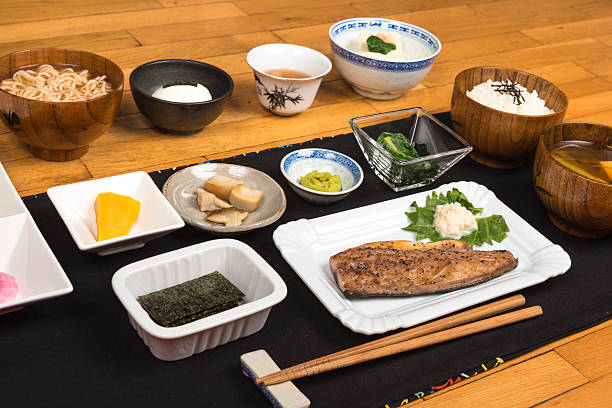
What Is a Traditional Japanese Breakfast Menu?
A classic Japanese breakfast menu is built around balance rather than excess. Instead of one large main dish, breakfast typically includes several smaller items that provide a mix of carbohydrates, protein, healthy fats, and vitamins.
The most common components include:
- Steamed white rice
- Miso soup
- Grilled fish, such as salmon or mackerel
- Pickled vegetables
- Tamagoyaki (Japanese rolled omelet)
- Seaweed (nori)
- Natto (fermented soybeans), in many households
- Green tea
These dishes work together to create a filling meal that provides steady energy throughout the morning.
Why Is the Japanese Breakfast Menu Considered Healthy?
One reason the Japanese breakfast menu stands out is its focus on fresh, minimally processed ingredients. Meals are generally lower in added sugar and unhealthy fats compared to many modern breakfast options.
Some of the health benefits include:
- High-quality protein from fish and eggs
- Fiber from vegetables and seaweed
- Probiotics from miso and natto
- Healthy carbohydrates from steamed rice
- Essential vitamins and minerals from a variety of ingredients
Nutrition experts often point to Japanese eating habits as one factor contributing to Japan’s long life expectancy and overall wellness.
Popular Japanese Breakfast Dishes
If you’re planning to recreate a Japanese breakfast at home, these dishes are among the most popular choices:
Steamed Rice
Rice serves as the foundation of nearly every traditional breakfast and pairs well with savory side dishes.
Miso Soup
Made from fermented soybean paste, miso soup offers a comforting start to the day while supporting gut health.
Grilled Fish
Salmon is one of the most common breakfast proteins, providing omega-3 fatty acids and long-lasting energy.
Tamagoyaki
This lightly sweetened rolled omelet is soft, flavorful, and easy to prepare.
Pickled Vegetables
Japanese pickles add texture, freshness, and a tangy flavor that complements the meal.
Modern Japanese Breakfast Menu Options
Today’s Japanese breakfast menu has evolved to match busy lifestyles. Many families now enjoy quicker meals while maintaining traditional flavors.
Modern options often include:
- Rice balls (onigiri)
- Yogurt with fruit
- Toast with eggs
- Fresh salads
- Smoothies
- Coffee alongside green tea
These combinations provide convenience without sacrificing nutrition.
Tips for Making a Japanese Breakfast at Home
Creating a Japanese-inspired breakfast doesn’t require advanced cooking skills. Start with a few simple dishes and gradually expand your menu.
Helpful tips include:
- Cook extra rice the night before.
- Prepare miso soup in advance.
- Keep frozen salmon available for quick grilling.
- Add fresh fruit for extra vitamins.
- Use seasonal vegetables whenever possible.
Even a simplified version captures the essence of a traditional Japanese breakfast.
Why More People Are Choosing a Japanese Breakfast Menu
Health-conscious consumers are increasingly turning to Japanese cuisine because it promotes mindful eating and balanced nutrition. Social media has also introduced millions of people to authentic Japanese home cooking, encouraging them to try new recipes.
The combination of fresh ingredients, moderate portions, and diverse flavors makes this breakfast style appealing for both families and individuals seeking healthier habits.
Final Thoughts
A Japanese breakfast menu offers much more than a delicious morning meal. It represents a balanced lifestyle centered on nutrition, simplicity, and fresh ingredients. Whether you choose a fully traditional breakfast with rice, miso soup, and grilled fish or a modern variation that fits your schedule, adding Japanese-inspired dishes to your mornings can be a rewarding step toward healthier eating.
As interest in Japanese cuisine continues to grow worldwide, the Japanese breakfast remains one of the best examples of how simple, wholesome food can support both health and enjoyment.
