
Turkey is a country where food tells stories, and its desserts are among the most delicious expressions of its history, hospitality, and cultural traditions. From delicate layers of buttery pastry soaked in fragrant syrup to creamy milk puddings and warm, syrup-covered pastries, Turkish desserts offer something special for every sweet lover.
Turkish desserts are enjoyed in homes, cafés, bakeries, restaurants, and traditional sweet shops throughout the country. Some are prepared for weddings, religious celebrations, and family gatherings, while others are everyday favorites served with a cup of Turkish tea or coffee. Their flavors range from rich and nutty to light, creamy, fruity, and refreshingly simple.
What makes these sweets particularly interesting is the variety of ingredients and techniques used to prepare them. Pistachios, walnuts, semolina, milk, sugar, butter, honey, and thin pastry dough appear in many popular recipes. Rose water, cinnamon, and citrus may add another layer of fragrance, depending on the dessert.
Whether you are planning a trip to Turkey, exploring international cuisine, or searching for something new to make at home, discovering famous Turkish desserts is a wonderful way to experience the country’s culinary heritage.
In this guide, we will explore the most popular Turkish sweets, learn what makes each one distinctive, compare their ingredients, and discover how these desserts are traditionally enjoyed.
What Makes Turkish Desserts So Special?
Turkish desserts stand out because they combine familiar ingredients with distinctive preparation methods. A few basic components, such as flour, butter, milk, nuts, and sugar, can become remarkably different sweets depending on how they are cooked.
Some desserts depend on thin pastry layers and carefully prepared syrup. Others rely on slow-cooked milk, toasted semolina, or dough shaped into rings and fried until golden.
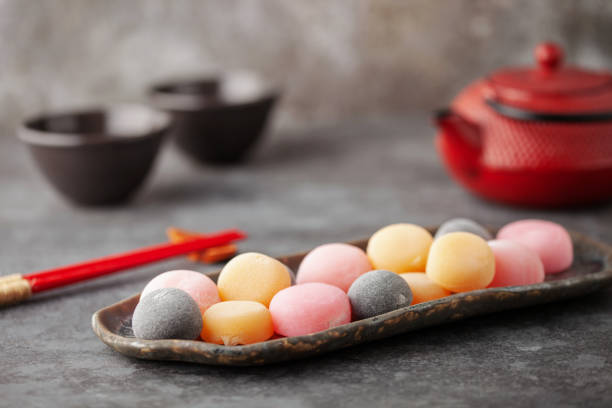
Turkish sweets also reflect the country’s position at the crossroads of different culinary traditions. Regional ingredients, historical trade, and centuries of cultural exchange have influenced the desserts enjoyed today.
Three characteristics are particularly important:
- Texture: Turkish desserts range from crisp and flaky to soft, chewy, creamy, and pudding-like.
- Flavor: Nuts, dairy, butter, syrup, and fragrant spices create distinctive combinations.
- Hospitality: Sweets are often offered to guests and shared during celebrations, family visits, and special occasions.
Not every Turkish dessert is intensely sweet. Milk puddings and simple semolina desserts can offer a gentler alternative to rich syrup-based pastries.
1. Baklava: Turkey’s Famous Layered Pastry
Baklava is one of the most internationally recognized desserts associated with Turkish cuisine. It consists of delicate layers of thin pastry filled with chopped nuts and finished with sweet syrup.
Pistachios are especially popular in many Turkish versions, although walnuts and other nuts are also used. Butter between the pastry layers helps create the characteristic crisp texture.
After baking, the pastry is usually cut into diamond-shaped or rectangular portions. Syrup is added to bring sweetness while allowing the layers to retain some of their texture.
Gaziantep, a city in southeastern Turkey, is particularly famous for its pistachio baklava tradition.
What Does Baklava Taste Like?
Baklava offers a combination of crisp pastry, rich butter, nutty flavor, and sweetness. The contrast between its delicate layers and finely chopped filling makes every bite satisfying.
It is often served with Turkish tea or coffee, which balances the dessert’s richness.
Why try it? Baklava is an excellent introduction to Turkish sweets because it demonstrates how simple ingredients can create an elaborate and memorable dessert.
2. Künefe: A Warm Dessert With Melted Cheese
Künefe is a beloved dessert made with fine strands of pastry, traditionally combined with a mild, stretchy cheese and soaked in syrup after cooking.
The pastry develops a golden, crisp exterior, while the cheese inside becomes soft and melted. Many versions are finished with crushed pistachios.
Künefe is particularly associated with Hatay and other parts of southern Turkey, where regional techniques and cheese varieties influence its flavor.
Unlike desserts that are served cold, künefe is often enjoyed while warm, when its contrasting textures are at their best.
What Makes Künefe Different?
Its most distinctive feature is the combination of sweet syrup and savory dairy. This creates a flavor profile that differs from conventional cakes and cookies.
The crisp pastry provides a pleasant contrast to the soft cheese, while pistachios contribute color and a nutty finish.
Künefe is an excellent choice for people who want to explore a Turkish dessert that feels both familiar and surprising.
3. Turkish Delight: A Colorful Traditional Sweet
Turkish delight, known locally as lokum, is a traditional confection famous for its soft, chewy texture and colorful appearance.
It is generally prepared using sugar and starch, with ingredients and cooking methods varying by recipe. Common flavors include rose, lemon, orange, and mastic. Some varieties contain pistachios, hazelnuts, or walnuts.
The finished confection is cut into small cubes and commonly dusted with powdered sugar or a starch-based coating to prevent sticking.
Turkish delight has a long history and became widely known internationally through trade and travel.
Popular Turkish Delight Flavors
- Rose: Floral and fragrant.
- Lemon: Bright and citrusy.
- Pistachio: Nutty and rich.
- Orange: Sweet with a refreshing citrus aroma.
- Mastic: Distinctively aromatic, with a resinous character.
Lokum is often offered to guests alongside Turkish coffee. Its small portions make it easy to share, and its variety of flavors makes it a popular gift for visitors.
4. Sütlaç: Creamy Turkish Rice Pudding
Sütlaç is a traditional Turkish rice pudding prepared with rice, milk, sugar, and sometimes vanilla or other flavorings.
Its texture is soft and creamy, making it a comforting alternative to richer pastries. Some versions are served chilled, while fırın sütlaç is baked until a golden-brown layer forms on the surface.
The baked version is particularly popular in restaurants and traditional dessert shops.
Why People Love Sütlaç
Sütlaç relies on a short list of ingredients rather than elaborate decoration. The rice thickens the milk naturally as it cooks, producing a smooth and satisfying pudding.
It is an excellent dessert for anyone who prefers mild sweetness and a spoonable texture.
To make a simple version at home, simmer rice until tender, add milk and sugar, and cook gently until the mixture thickens. For a baked version, use an appropriate oven-safe recipe and finish it in the oven until the surface browns.
5. Şekerpare: Soft Cookies Soaked in Syrup
Şekerpare is a popular Turkish dessert made from small, tender pastries that are baked and then soaked in syrup.
The dough commonly includes flour, butter or margarine, sugar, and eggs, with semolina or other ingredients used in some recipes. Individual pieces are shaped into small ovals or rounds, and an almond or hazelnut may be placed on top.
Once baked, the warm pastries absorb sweet syrup, creating a soft interior and a delicate exterior.
The name is associated with sweetness, which makes sense given the dessert’s syrup-soaked preparation.
When Is Şekerpare Served?
Şekerpare is suitable for family gatherings, holiday meals, afternoon visits, and everyday dessert plates. Because the pieces are small, they are easy to portion and share.
Its appeal comes from its straightforward flavor and soft texture rather than complicated decoration.
6. Revani: A Sweet Semolina Cake
Revani is a moist cake made with semolina and typically sweetened with syrup. Eggs, flour, yogurt, and other ingredients may also be included, depending on the recipe.
After baking, the cake is soaked with syrup, allowing it to absorb sweetness while retaining a tender texture.
Revani is commonly cut into squares or diamond-shaped portions. Some versions are garnished with coconut, pistachios, or a little lemon zest.
What Makes Revani Special?
Semolina gives revani a slightly grainy texture that distinguishes it from many conventional sponge cakes. Syrup keeps the cake moist and contributes its characteristic sweetness.
A small amount of lemon in the syrup can provide a refreshing contrast.
For home cooks, revani is a useful introduction to Turkish baking because it can be prepared in a standard baking dish and served in neat portions.
7. Tavuk Göğsü: A Unique Milk Pudding
Tavuk göğsü is one of Turkey’s most unusual traditional desserts because its classic preparation includes finely shredded chicken breast.
The chicken is cooked until very tender, carefully shredded, and incorporated into a milk-based pudding with sugar and a thickening ingredient. When prepared correctly, the meat becomes almost imperceptible in the final texture.
The dessert is generally mild, creamy, and delicately flavored. Cinnamon may be sprinkled over the top before serving.
Although chicken in a sweet pudding may sound surprising, the technique is part of a long-standing culinary tradition.
A related dessert, kazandibi, is known for its caramelized bottom layer and is often associated with milk-pudding preparations.
Tavuk göğsü is worth exploring for anyone interested in the historical creativity of Turkish cuisine.
8. Tulumba: Golden, Syrup-Soaked Pastries
Tulumba is a fried dessert made from piped dough that develops a crisp exterior and a softer center. After frying, the pieces are soaked in syrup.
The dough is typically shaped into short ridged cylinders, which gives tulumba its distinctive appearance.
The contrast between the crisp shell and sweet interior makes it popular in sweet shops and as a street-food treat.
Tulumba is often served in small portions because of its sweetness. It is especially enjoyable when freshly prepared, while the exterior still retains some crispness.
9. Aşure: The Traditional Noah’s Pudding
Aşure, sometimes called Noah’s pudding in English, is a traditional Turkish dessert made with a mixture of grains, legumes, dried fruit, nuts, and other ingredients.
Recipes vary, but wheat, beans, chickpeas, raisins, dried apricots, and nuts are common additions. Some versions include orange peel, cinnamon, or pomegranate seeds for extra flavor and decoration.
Unlike many individual pastries, aşure is often prepared in a large quantity and distributed among family members, neighbors, and friends.
It holds cultural and religious significance for many communities, particularly during the period known as the Month of Muharram.
Its flavor combines sweetness with the earthy character of grains and legumes, while the fruit and nuts provide different textures.
Aşure is an excellent example of a dessert whose meaning extends beyond taste to include sharing, generosity, and community.
10. Kazandibi: Caramelized Milk Pudding
Kazandibi is a beloved Turkish milk dessert distinguished by its browned, caramelized underside.
The pudding mixture is cooked until thick, then prepared so that one surface develops a dark golden-brown layer. The dessert is cooled and cut into portions, often served with the caramelized side facing outward.
Its flavor combines creamy milk with the slightly bitter, toasted sweetness of caramelization.
Kazandibi is generally less pastry-heavy than baklava and offers a different kind of indulgence. It is particularly appealing to people who enjoy custards, puddings, and creamy desserts.
Famous Turkish Desserts Compared
The following table offers a quick overview of the desserts discussed above.
| Dessert | Main Ingredients | Texture | Typical Flavor |
|---|---|---|---|
| Baklava | Thin pastry, nuts, butter, syrup | Crisp and flaky | Rich and sweet |
| Künefe | Fine pastry, cheese, syrup | Crisp outside, soft inside | Sweet and savory |
| Turkish delight | Sugar, starch, flavorings | Soft and chewy | Floral, fruity, or nutty |
| Sütlaç | Rice, milk, sugar | Creamy | Mild and milky |
| Şekerpare | Flour, butter, sugar, syrup | Tender and soft | Sweet and buttery |
| Revani | Semolina, eggs, syrup | Moist and tender | Sweet with a grain-like texture |
| Tavuk göğsü | Milk, sugar, finely shredded chicken | Smooth and creamy | Delicate and milky |
| Tulumba | Fried dough, syrup | Crisp and tender | Sweet and rich |
| Aşure | Grains, legumes, dried fruit, nuts | Thick with varied textures | Fruity and gently sweet |
| Kazandibi | Milk pudding, sugar | Creamy with a browned surface | Milky and caramelized |
Traditional Ingredients Used in Turkish Desserts
Several ingredients appear repeatedly across Turkish sweet recipes. Understanding their role makes it easier to recognize different desserts and experiment with homemade versions.
Nuts
Pistachios, walnuts, hazelnuts, and almonds contribute flavor, texture, and decoration. Pistachios are especially associated with certain baklava varieties and are also used to garnish künefe and other sweets.
Syrup
Sugar syrup gives many pastries their characteristic moisture and sweetness. Its consistency and temperature affect how well it penetrates a dessert.
Some recipes use lemon juice to help balance sweetness and influence the syrup’s texture.
Milk and Dairy
Milk is essential to desserts such as sütlaç, kazandibi, and tavuk göğsü. Dairy contributes creaminess and a softer flavor profile.
Semolina and Flour
Flour is used in pastries, doughs, and cookies, while semolina gives revani and other sweets a distinctive texture.
Fragrant Flavorings
Cinnamon, rose water, citrus zest, and mastic may be used in selected desserts. These ingredients should complement the main flavors rather than overpower them.
How to Enjoy Turkish Desserts Like a Local
Turkish sweets can be enjoyed in several ways, depending on the dessert and the occasion.
Pair baklava with Turkish tea or coffee. The slightly bitter character of coffee or tea contrasts with the pastry’s richness.
Serve künefe warm. Its texture is particularly appealing when the pastry is crisp and the cheese is soft.
Enjoy Turkish delight in small pieces. A little lokum alongside coffee makes a simple and elegant offering for guests.
Choose milk puddings after a heavy meal. Sütlaç or kazandibi can be a pleasant alternative to rich, syrup-based pastries.
Share traditional desserts with friends. Many Turkish sweets are prepared in portions that are easy to divide and serve on a communal plate.
For the best experience, try desserts from different regions rather than assuming every Turkish sweet has the same flavor or preparation method.
Are Turkish Desserts Healthy?
Turkish desserts can be enjoyed as part of a balanced diet, but their nutritional profiles vary widely.
Milk puddings provide dairy, while nuts contribute unsaturated fats and some protein. Desserts containing fruit or grains can also provide certain nutrients.
However, syrup-soaked pastries, fried dough, and heavily sweetened confections may contain substantial amounts of sugar, fat, and calories. Portion size and frequency therefore matter.
If you prefer lighter options, consider a modest serving of sütlaç, fresh fruit alongside a small pastry, or a homemade dessert in which you can control the added sugar.
People with specific dietary requirements should also check ingredients carefully, since traditional recipes may contain dairy, wheat, nuts, or other allergens.
The goal is not to avoid traditional sweets altogether, but to enjoy them thoughtfully and appreciate their flavors.
Frequently Asked Questions About Turkish Desserts
What is the most famous Turkish dessert?
Baklava is probably the most internationally recognized Turkish dessert. Turkish delight, künefe, sütlaç, and revani are also widely known and enjoyed.
What is the national dessert of Turkey?
Turkey does not have one universally designated national dessert. Baklava is often regarded as an iconic sweet, but many desserts have important regional and cultural significance.
Which Turkish dessert is best for beginners?
Turkish delight is easy to sample, while baklava provides a classic introduction to layered pastries. For home cooking, sütlaç and revani are approachable choices.
Are Turkish desserts very sweet?
Many traditional pastries and fried desserts are quite sweet because they use syrup or sugar. Milk puddings and certain other sweets can be milder, depending on the recipe.
What Turkish desserts contain pistachios?
Pistachios are commonly used in many baklava varieties and may also be used to garnish künefe and other sweets. Ingredients differ by region and recipe.
Can Turkish desserts be made at home?
Yes. Sütlaç, revani, lokum, and several cookie-style desserts can be made at home with suitable ingredients and instructions. Baklava and künefe require more attention to pastry handling and cooking technique but are also possible for enthusiastic home cooks.
Conclusion: Discover the Sweet Side of Turkish Cuisine
Turkish desserts offer a fascinating journey through texture, flavor, history, and hospitality. From crisp pistachio baklava and warm, cheese-filled künefe to creamy sütlaç and colorful Turkish delight, each sweet provides a different glimpse into the country’s rich culinary traditions.
Some desserts are elaborate creations suited to celebrations, while others are comforting puddings and simple pastries enjoyed throughout the year. Their variety is part of what makes Turkish cuisine so rewarding to explore.
If you are new to these sweets, start with baklava or Turkish delight, then try a creamy milk pudding or a slice of syrup-soaked revani. As you explore further, you will discover that each dessert has its own character, preparation method, and place in Turkish food culture.
Ultimately, Turkish desserts are about more than sugar and pastry. They represent the pleasure of sharing food, welcoming guests, and preserving culinary traditions across generations.
Choose a dessert, pour a cup of Turkish tea, and enjoy a delicious taste of Turkey.