
On a warm afternoon, few things feel as refreshing as a cold glass of agua fresca. Made with fresh fruit, water, and a touch of sweetness, this colorful drink offers a simple way to enjoy fruity flavors without the heaviness of a thick smoothie. From juicy watermelon to tangy pineapple and fragrant hibiscus, agua fresca brings freshness and vibrant color to the table.
Agua fresca is a popular drink in Mexico and other parts of Latin America, where different combinations of fruit, flowers, seeds, and grains are used to create delicious beverages. The name translates from Spanish as “fresh water,” although these drinks are anything but ordinary. They can be sweet, tart, floral, creamy, or wonderfully light, depending on the ingredients.
The best part about making agua fresca at home is its flexibility. You can prepare it with ripe seasonal fruit, adjust the sweetness to your taste, and experiment with ingredients such as lime, mint, cucumber, or fresh herbs. No special equipment is necessary beyond a blender, a pitcher, and a few everyday kitchen essentials.
In this guide, you will discover what agua fresca is, how to make a classic watermelon version, six delicious variations, helpful preparation tips, and creative ways to serve this refreshing drink at home.
What Is Agua Fresca?
Agua fresca is a lightly flavored beverage traditionally made by blending or mixing ingredients with water and sometimes sweetener. Popular varieties include watermelon, cantaloupe, pineapple, strawberry, cucumber-lime, hibiscus, and tamarind.
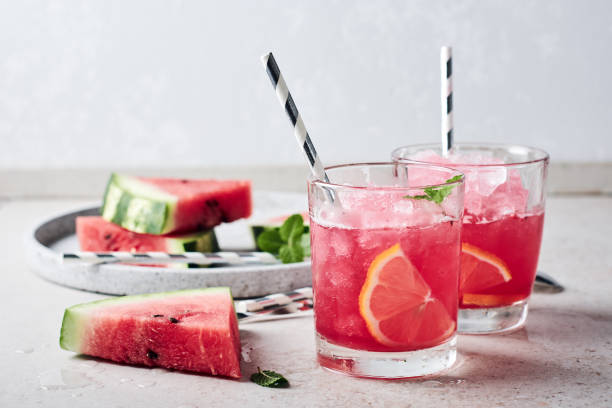
Some versions are strained for a smoother texture, while others retain a little fruit pulp. The ideal consistency depends on the ingredients and personal preference.
Unlike a traditional fruit smoothie, agua fresca usually contains more water and has a thinner consistency. It is also different from fruit juice because it commonly combines blended fruit with additional water.

Agua fresca is often served chilled alongside everyday meals, at family gatherings, street-food stalls, and celebrations. Its bright flavors make it a natural companion to tacos, grilled foods, spicy dishes, and summer snacks.
Why Make Agua Fresca at Home?
There are several reasons this drink deserves a place in your kitchen.
- Easy preparation: Most fruit-based versions take only a few minutes to blend.
- Flexible sweetness: You decide whether to use sugar, honey, or no added sweetener.
- Seasonal ingredients: Ripe fruit can be turned into a refreshing drink before it becomes overripe.
- Customizable flavors: Lime, mint, basil, and ginger can create exciting combinations.
- Simple serving: A large pitcher is ideal for family meals, picnics, and parties.
Homemade agua fresca is not automatically sugar-free or low in calories. Its nutritional content depends on the fruit, portion size, and amount of sweetener used.
Classic Watermelon Agua Fresca Recipe
Watermelon agua fresca is one of the easiest versions to prepare. Ripe watermelon provides plenty of natural sweetness, while lime juice adds a bright, refreshing finish.
<text color=”secondary” size=”sm”>Preparation time: 10 minutes · Chilling time: 20–30 minutes · Servings: 4</text>
Ingredients
- 4 cups seedless watermelon, cubed
- 2 cups cold water
- 2 tablespoons fresh lime juice
- 1–2 tablespoons sugar or honey, optional
- Ice cubes, for serving
- Fresh mint or lime slices, optional garnish
Instructions
Step 1: Prepare the watermelon.
Remove the rind and cut the watermelon into small cubes. If your watermelon contains seeds, remove as many as possible before blending.
Step 2: Blend the ingredients.
Place the watermelon, cold water, and lime juice in a blender. Blend until the mixture becomes smooth and evenly combined.
Step 3: Taste and adjust.
Taste the drink before adding sweetener. A ripe watermelon may already provide enough sweetness. If needed, add a small amount of sugar or honey and blend again.
Step 4: Strain if desired.
For a smoother drink, pour the mixture through a fine-mesh strainer into a pitcher. If you prefer a little fruit pulp, skip this step.
Step 5: Chill and serve.
Refrigerate for 20–30 minutes or serve immediately over ice. Garnish with mint leaves or a thin lime slice.
Recipe tip: Avoid blending the watermelon for longer than necessary. A quick blend is usually enough to create a smooth, refreshing drink.
Six Delicious Agua Fresca Variations
Once you understand the basic method, you can make agua fresca with many different ingredients. The following recipes offer a mixture of fruity, citrusy, floral, and herbaceous flavors.
1. Strawberry Agua Fresca
<AsyncImage query=”fresh strawberry agua fresca in a clear glass with sliced strawberries and lime” aspectRatio=”16:9″ width=”100%” />
Strawberry agua fresca is sweet, fragrant, and beautifully colored. It is a great choice for brunches, outdoor meals, or occasions when you want a drink that looks as appealing as it tastes.
Ingredients
- 2 cups fresh strawberries, hulled
- 2 cups cold water
- 1 tablespoon lime juice
- 1–2 tablespoons sugar, optional
Method
Blend the strawberries with water and lime juice until smooth. Taste and sweeten if necessary. Strain for a lighter texture, then chill before serving.
For an extra refreshing finish, add a few fresh mint leaves to the pitcher.
2. Pineapple Agua Fresca
<AsyncImage query=”golden pineapple agua fresca in a glass with fresh pineapple chunks and lime” aspectRatio=”16:9″ width=”100%” />
Pineapple agua fresca has a tropical flavor with a natural balance of sweetness and acidity. It pairs especially well with grilled vegetables, fish tacos, and spicy foods.
Ingredients
- 2 cups fresh pineapple chunks
- 2½ cups cold water
- 1 tablespoon lime juice
- A small pinch of salt, optional
Method
Blend the pineapple, water, and lime juice. Strain if you prefer a smoother consistency. Taste before adding sweetener because ripe pineapple can be naturally sweet.
A small pinch of salt can help bring out the pineapple’s flavor without making the drink taste salty.
3. Cucumber-Lime Agua Fresca
<AsyncImage query=”cucumber lime agua fresca pale green drink with cucumber ribbons lime slices and mint” aspectRatio=”16:9″ width=”100%” />
For people who prefer a lighter, less sweet beverage, cucumber-lime agua fresca is an excellent choice. Cucumber gives it a clean, crisp taste, while lime adds brightness.
Ingredients
- 1 large cucumber, peeled if desired
- 3 cups cold water
- Juice of 2 limes
- 4–6 mint leaves
- 1 teaspoon honey, optional
Method
Chop the cucumber and blend it with water, lime juice, and mint. Strain for a smoother drink. Add honey only if you want a slightly sweeter finish.
Serve with plenty of ice and thin cucumber slices.
4. Cantaloupe Agua Fresca
<AsyncImage query=”cantaloupe melon agua fresca orange colored drink with cantaloupe wedges in a clear glass” aspectRatio=”16:9″ width=”100%” />
Cantaloupe creates a mellow, fragrant drink with a soft orange color. Its gentle sweetness makes it a good option for breakfast gatherings or afternoon refreshments.
Ingredients
- 3 cups ripe cantaloupe, cubed
- 2 cups cold water
- 1 tablespoon lime juice
- Sweetener, optional
Method
Blend the cantaloupe, water, and lime juice until smooth. Strain if desired, taste, and adjust the flavor. Refrigerate before serving.
Choose a ripe melon that smells fragrant near the stem end. A flavorful melon often needs little or no added sugar.
5. Hibiscus Agua Fresca
<AsyncImage query=”Mexican agua de jamaica hibiscus iced drink deep ruby red in glass with dried hibiscus flowers and lime” aspectRatio=”16:9″ width=”100%” />
Known in Mexico as agua de jamaica, hibiscus agua fresca is made from dried hibiscus flowers rather than fresh fruit. It has a vivid ruby color and a tangy flavor reminiscent of tart berries.
Ingredients
- ½ cup dried culinary hibiscus flowers
- 4 cups water
- 2–4 tablespoons sugar, to taste
- Lime juice, optional
- Ice, for serving
Method
- Bring the water to a boil and remove it from the heat.
- Add the dried hibiscus flowers and steep for approximately 10–15 minutes.
- Strain out the flowers and let the infusion cool.
- Stir in sugar while the liquid is still slightly warm, if using.
- Add lime juice if desired, chill, and serve over ice.
Hibiscus can be quite tart, so adjust the sweetness gradually. People who are pregnant or take medication that may interact with hibiscus should seek appropriate medical guidance before consuming it regularly.
6. Mango Agua Fresca
<AsyncImage query=”fresh mango agua fresca golden orange drink in a tall glass with mango cubes and lime” aspectRatio=”16:9″ width=”100%” />
Mango agua fresca is a naturally sweet, tropical variation with a slightly fuller texture. It is especially delicious when made with ripe, fragrant mangoes.
Ingredients
- 2 cups ripe mango, peeled and cubed
- 2½ cups cold water
- 1 tablespoon lime juice
- A small pinch of ground ginger, optional
Method
Blend the mango with water and lime juice until smooth. Add a little more water if the drink seems too thick. Strain if you prefer a lighter texture, then chill before serving.
For a gentle twist, add a small pinch of ginger. It complements the mango without overpowering its flavor.
Agua Fresca Recipe Comparison Table
Not sure which flavor to make first? Use this table to compare the options.
| Flavor | Main ingredient | Taste | Best occasion |
|---|---|---|---|
| Watermelon | Fresh watermelon | Sweet and refreshing | Summer lunches |
| Strawberry | Fresh strawberries | Fruity and bright | Brunch and parties |
| Pineapple | Fresh pineapple | Tropical and tangy | Grilled meals |
| Cucumber-lime | Cucumber and lime | Crisp and light | Warm afternoons |
| Cantaloupe | Ripe cantaloupe | Mild and fragrant | Breakfast gatherings |
| Hibiscus | Dried hibiscus flowers | Tart and floral | Family meals |
| Mango | Ripe mango | Sweet and tropical | Picnics and celebrations |
The best choice depends on the ingredients you have available and how sweet or tart you like your drinks.
Tips for Making the Best Agua Fresca
A good agua fresca depends on more than simply blending fruit with water. A few small details can improve the flavor, color, and consistency.
Choose Ripe, Flavorful Ingredients
Ripe fruit provides a stronger natural flavor, which means you may need less sweetener. Smell and taste the fruit when possible before using it.
Frozen fruit also works well. Thaw it slightly before blending, or blend it while still frozen and adjust the water to achieve the desired consistency.
Add Sweetener Gradually
Different fruits vary in sweetness. Start without added sugar, taste the drink, and add small amounts only if necessary.
If using granulated sugar in a cold drink, stir or blend thoroughly so it dissolves evenly. A simple syrup can also help distribute sweetness.
Balance the Flavor With Citrus
Lime juice is especially useful in watermelon, strawberry, pineapple, and mango agua fresca. Its acidity brightens the fruit flavor and can make the drink taste more balanced.
However, too much lime can overpower delicate flavors. Begin with a small amount and adjust gradually.
Decide Whether to Strain
Straining removes much of the pulp and creates a lighter texture. Leaving the drink unstrained retains more of the fruit’s texture and fiber.
Both methods are suitable. Choose the consistency you enjoy most.
Serve It Properly Chilled
Agua fresca tastes best when cold. Refrigerate it before serving or pour it over ice.
If serving a large group, keep the pitcher refrigerated between servings rather than leaving it in direct sunlight.
How to Store Homemade Agua Fresca
Fresh agua fresca is best enjoyed soon after preparation, when its flavor and aroma are at their brightest.
- Refrigeration: Store it in a clean, covered pitcher in the refrigerator.
- Best quality: For most fresh fruit versions, aim to drink it within 24–48 hours.
- Before serving: Stir well because fruit particles may settle at the bottom.
- Food safety: Refrigerate promptly and discard the drink if it has been left out too long or shows signs of spoilage.
- Freezing: You can freeze leftover fruit-based agua fresca in ice-cube trays and blend the cubes later with a little water.
Do not rely on smell alone to determine whether a drink is safe. Keep it cold and follow safe food-handling practices.
What to Serve With Agua Fresca
Agua fresca pairs naturally with foods that have bold seasoning, fresh herbs, or a little heat. The fruit’s sweetness and citrus notes can complement savory dishes.
Consider serving it with:
- Tacos filled with grilled chicken, fish, beans, or vegetables.
- Quesadillas with cheese and sautéed vegetables.
- Grilled corn with lime and spices.
- Fresh salsa and tortilla chips.
- Rice bowls with beans, vegetables, and your preferred protein.
- Light salads with citrus-based dressings.
For a party, prepare two flavors in separate pitchers, such as watermelon and hibiscus. Guests can choose between a sweeter fruit drink and a more tart floral option.
Frequently Asked Questions About Agua Fresca
Is agua fresca the same as fruit juice?
Not exactly. Fruit juice is generally extracted from fruit, while agua fresca usually combines fruit or another flavoring ingredient with water. It is often lighter and less concentrated than juice.
Can I make agua fresca without sugar?
Yes. Use ripe fruit and taste the mixture before adding sweetener. Watermelon, cantaloupe, mango, and ripe strawberries may be sweet enough on their own.
Do I need a blender to make agua fresca?
A blender is useful for most fresh fruit varieties. However, hibiscus agua fresca can be made by steeping dried flowers in hot water, then straining and chilling the liquid.
Can I use frozen fruit?
Yes. Frozen strawberries, mango, pineapple, and other fruits can work well. Adjust the amount of water to create your preferred consistency.
Why does my agua fresca separate?
Fruit particles naturally settle in water, especially when the drink contains pulp. Simply stir or shake the pitcher gently before serving.
Is agua fresca healthy?
It can be a refreshing way to enjoy fruit, but its nutritional value depends on the ingredients and portion size. Whole fruit generally provides more fiber than strained drinks, and added sugar can increase the total sugar content. For a less sweet option, use more water, ripe fruit, and little or no added sweetener.
How long can agua fresca stay out of the refrigerator?
As a general food-safety guideline, perishable drinks should not sit at room temperature for more than two hours, or one hour when temperatures exceed 90°F (32°C). Keep agua fresca chilled during serving and refrigerate leftovers promptly.
Final Thoughts
Agua fresca is proof that a refreshing homemade drink does not need a complicated recipe. With ripe fruit, cold water, and a little creativity, you can prepare a colorful beverage that suits everyday meals, summer gatherings, and special celebrations.
Start with classic watermelon agua fresca, then experiment with strawberry, pineapple, cucumber-lime, cantaloupe, hibiscus, or mango. Adjust the citrus and sweetness to your taste, and do not be afraid to combine flavors that complement one another.
The secret to a memorable agua fresca is simple: use flavorful ingredients, keep the mixture balanced, and serve it cold. Prepare a pitcher for your next meal, share it with family and friends, and discover which refreshing combination becomes your new favorite.