
There is something special about homemade dumplings. From the moment you mix the filling to the first bite of a freshly cooked dumpling, the process turns simple ingredients into a comforting meal worth sharing. Whether you enjoy juicy pork dumplings, tender chicken dumplings, or a colorful vegetable filling, making dumplings at home allows you to control the flavors, experiment with ingredients, and create a dish that suits your taste.
Homemade dumplings are popular in many food cultures, especially Chinese, Japanese, Korean, and other Asian cuisines. Although the ingredients and cooking techniques differ from one region to another, the basic idea is wonderfully simple: wrap a flavorful filling in dough and cook it until delicious.
The best part? You do not need professional cooking skills to make excellent dumplings. With a little preparation, a reliable filling recipe, and the right folding technique, you can prepare dumplings that are tender, savory, and satisfying.
In this guide, you will learn how to make homemade dumplings from scratch or with store-bought wrappers, explore different fillings, discover the best cooking methods, and prepare a dipping sauce that brings everything together.
What Are Homemade Dumplings?
Homemade dumplings are small portions of dough wrapped around a filling and cooked by boiling, steaming, or pan-frying. The filling may include ground meat, vegetables, tofu, seafood, herbs, and seasonings.
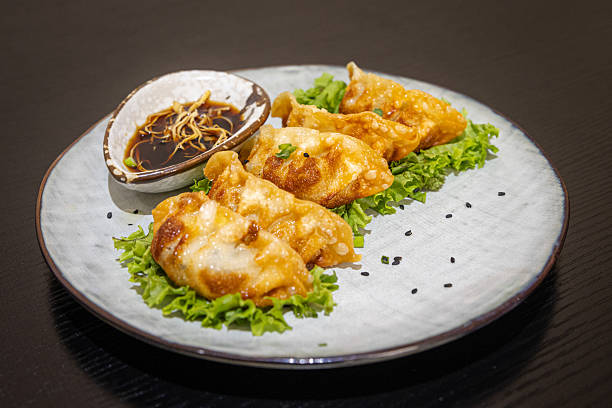
Different countries have their own versions. Chinese jiaozi are often boiled, steamed, or pan-fried. Japanese gyoza are commonly pan-fried with a crisp bottom and tender top. Korean mandu may contain meat, vegetables, tofu, or kimchi. Other cultures also have dumpling traditions featuring different doughs, fillings, and cooking methods.
For this recipe, we will make Asian-inspired pork and vegetable dumplings with a simple homemade dipping sauce.
Homemade Dumplings Recipe at a Glance
| Recipe detail | Information |
|---|---|
| Preparation time | 35–45 minutes |
| Cooking time | 10–15 minutes per batch |
| Total time | Approximately 50–60 minutes |
| Servings | 4 |
| Yield | About 30–36 dumplings |
| Difficulty | Beginner to intermediate |
| Main cooking method | Pan-frying and steaming |
| Flavor profile | Savory, garlicky, and slightly gingery |
Times can vary depending on your folding speed and the size of your dumplings.
Ingredients for Homemade Dumplings
The secret to flavorful dumplings is not a long list of ingredients. It is the balance between the filling, seasoning, and wrapper.
For the Dumpling Filling
- 300 g ground pork
- 1 cup finely chopped napa cabbage
- 2 green onions, thinly sliced
- 2 garlic cloves, minced
- 1 teaspoon freshly grated ginger
- 1 tablespoon soy sauce
- 1 teaspoon sesame oil
- ½ teaspoon ground black pepper
- 1 teaspoon cornstarch, optional
- 30–36 round dumpling wrappers
For the Dipping Sauce
- 3 tablespoons soy sauce
- 1 tablespoon rice vinegar
- 1 teaspoon sesame oil
- 1 teaspoon chili oil, optional
- 1 teaspoon finely chopped green onion
- A pinch of sugar, optional
For Cooking
- 1–2 tablespoons neutral cooking oil
- Approximately ½ cup water per pan-frying batch, adjusting to the pan size and number of dumplings
Ingredient tip: If you prefer a lighter filling, replace the pork with ground chicken or turkey. For a vegetarian version, use crumbled firm tofu, finely chopped mushrooms, cabbage, and carrots.
How to Make Homemade Dumplings Step by Step
Step 1: Prepare the Cabbage
Finely chop the napa cabbage and place it in a bowl. Sprinkle with a small pinch of salt and let it sit for about 10 minutes. This helps draw out excess moisture.
Squeeze the cabbage gently using clean hands or a clean kitchen towel. Removing extra water helps prevent a soggy filling and makes the dumplings easier to seal.
Step 2: Mix the Filling
Add the ground pork, cabbage, green onions, garlic, ginger, soy sauce, sesame oil, black pepper, and optional cornstarch to a mixing bowl.
Mix until the ingredients are evenly distributed. Avoid adding too much liquid, because a wet filling can make the wrappers difficult to handle.
For the best flavor, cover the bowl and refrigerate the mixture for 15–20 minutes while you prepare your workspace.
Keep raw meat refrigerated during preparation, and wash your hands and utensils after handling it.
Step 3: Prepare the Dumpling Wrappers
Store-bought round dumpling wrappers are an excellent shortcut. They save time and provide consistent thickness, making them ideal for beginners.
Place a small bowl of water beside your work surface. Keep the wrappers covered with a slightly damp, clean towel so they do not dry out.
If you want to make wrappers from scratch, combine approximately 300 g all-purpose flour with about 150 ml warm water, adjusting as needed. Knead until a smooth dough forms, cover, and rest for around 30 minutes. Divide the dough into small portions, roll them into thin circles, and keep them covered.
Homemade dough may need small adjustments depending on the flour and humidity.
Step 4: Fill the Dumplings
Place one wrapper in your palm or on a clean work surface. Add approximately one teaspoon of filling to the center.
Avoid overfilling. Too much filling makes sealing difficult and can cause the dumpling to split during cooking.
Dip a fingertip into water and lightly moisten half of the wrapper’s edge.
Step 5: Fold and Seal
Fold the wrapper in half over the filling to form a half-moon shape. Press the edges together firmly, pushing out any trapped air.
For a decorative finish, make two or three small pleats along one side before pressing the edges closed. Beginners can simply press the edges together without pleats.
Place each finished dumpling on a lightly floured tray, leaving a little space between them.
Important: Every dumpling should be completely sealed before cooking. Gaps allow the filling’s juices to escape and can cause the wrapper to open.
Step 6: Pan-Fry the Dumplings
Heat a nonstick skillet over medium heat and add a thin layer of neutral oil.
Arrange the dumplings flat-side down, leaving enough room between them. Cook for approximately two to three minutes, or until the bottoms turn golden.
Carefully pour in enough water to create a shallow layer in the pan, then cover immediately. Be cautious because the oil may splatter when water is added.
Steam for approximately five to eight minutes, depending on dumpling size and the filling. Remove the lid and allow any remaining water to evaporate. Cook briefly longer if needed to restore the crisp bottoms.
For pork dumplings, check that the center reaches 160°F (71°C) using a food thermometer.
Step 7: Make the Dipping Sauce
While the dumplings cook, combine soy sauce, rice vinegar, sesame oil, and optional chili oil in a small bowl.
Add chopped green onions and a pinch of sugar if you prefer a slightly balanced, less sharp flavor.
Taste the sauce and adjust it to your preference. Add more vinegar for brightness or a little chili oil for heat.
Step 8: Serve and Enjoy
Arrange the dumplings on a serving plate with their golden bottoms facing upward. Sprinkle with chopped green onions or sesame seeds if desired.
Serve immediately with the dipping sauce. Dumplings are delicious on their own, but they also pair well with vegetable soup, steamed greens, cucumber salad, or fried rice.
The Best Cooking Methods for Homemade Dumplings
One of the advantages of homemade dumplings is that the same basic recipe can produce different textures depending on how you cook them.
| Cooking method | Texture | Best for |
|---|---|---|
| Pan-frying and steaming | Crispy bottoms, tender tops | Japanese-style gyoza and potstickers |
| Boiling | Soft and delicate | Traditional boiled dumplings |
| Steaming | Tender, moist wrappers | Dumplings served without a crispy crust |
| Air-frying | Drier, crisp exterior | Convenient batches, with a light coating of oil |
Pan-frying followed by steaming is especially appealing because it combines two textures in one dumpling. However, boiling is often easier when cooking a large batch.
Cooking times vary by wrapper thickness, filling, and size, so always make sure the filling is fully cooked.
Five Delicious Homemade Dumpling Variations
Once you have mastered the basic technique, you can experiment with different combinations.
1. Chicken and Ginger Dumplings
Replace the pork with ground chicken. Add ginger, green onions, cabbage, soy sauce, and sesame oil for a fragrant, savory filling.
Chicken dumplings are versatile and work well with a soy-vinegar dipping sauce.
2. Vegetable Dumplings
Combine finely chopped cabbage, carrots, mushrooms, green onions, and crumbled firm tofu. Season with garlic, ginger, soy sauce, and sesame oil.
Cook the vegetables briefly before mixing if they release a lot of moisture, then cool the mixture before filling the wrappers.
3. Shrimp Dumplings
Finely chop peeled, deveined shrimp and combine with a little cabbage, ginger, and green onion. Keep the mixture chilled while assembling.
Shrimp cooks quickly, so avoid overcooking the dumplings. Confirm that the filling is fully cooked before serving.
4. Spicy Kimchi Dumplings
Finely chop well-drained kimchi and combine it with ground pork or crumbled tofu. Add green onions and a little sesame oil.
Kimchi can be salty and juicy, so drain it well and taste the filling before adding extra soy sauce.
5. Mushroom and Tofu Dumplings
Sauté finely chopped mushrooms until their moisture evaporates, then combine with crumbled tofu, garlic, ginger, and green onions.
This earthy vegetarian option delivers a satisfying texture and works beautifully with chili-vinegar sauce.
Common Mistakes to Avoid
Even simple dumpling recipes can become frustrating when the wrappers tear or the filling becomes watery. A few small adjustments can make a major difference.
- Overfilling the wrappers: Start with one teaspoon of filling and add more only after you become comfortable folding.
- Leaving the filling too wet: Drain cabbage and cooked vegetables thoroughly.
- Allowing wrappers to dry: Keep unused wrappers covered while assembling.
- Using too much water during pan-frying: A shallow amount is generally enough to steam the dumplings without making them soggy.
- Skipping the seal: Press the edges firmly together and check for gaps before cooking.
- Crowding the pan: Cook in batches so the dumplings brown evenly.
- Cooking by appearance alone: A golden wrapper does not guarantee that the meat inside is fully cooked. Check the center with a thermometer.
How to Store and Freeze Homemade Dumplings
Homemade dumplings are excellent for meal preparation because you can assemble a large batch and save some for another day.
Refrigerating Uncooked Dumplings
For best results, cook freshly assembled dumplings promptly. If you need to hold them briefly, refrigerate them in a covered container and cook within one to two days. Separate layers with parchment paper to reduce sticking.
Because these dumplings contain raw ground meat, keep them at 40°F (4°C) or below and avoid leaving them at room temperature for extended periods.
Freezing Uncooked Dumplings
- Arrange the dumplings in a single layer on a parchment-lined tray.
- Freeze until firm.
- Transfer them to a freezer-safe bag or container, removing excess air.
- Label the container with the date.
Cook frozen dumplings directly from frozen, adding extra cooking time as needed. Do not thaw them on the counter.
Storing Cooked Dumplings
Refrigerate leftovers in a covered container within two hours of cooking. Use them within three to four days, reheat thoroughly, and discard any leftovers that show signs of spoilage or have been stored improperly.
What to Serve With Homemade Dumplings
Dumplings can be a complete meal or part of a larger spread. Consider these simple pairings:
- Cucumber salad: Fresh cucumber, rice vinegar, and sesame seeds provide a refreshing contrast.
- Steamed broccoli: A simple vegetable side balances the savory filling.
- Miso soup: A warm bowl of soup complements the dumplings for an Asian-inspired meal.
- Garlic green beans: Quickly sautéed green beans add color and crunch.
- Fried rice: A small serving creates a more substantial dinner.
- Chili-vinegar sauce: Perfect for people who enjoy a spicy, tangy finish.
For a balanced meal, combine dumplings with vegetables and a side dish that suits your appetite.
Frequently Asked Questions
Can I make homemade dumplings without special equipment?
Yes. You only need a mixing bowl, a spoon, a clean work surface, a skillet or pot, and a lid. Store-bought wrappers make the process even easier.
Why do my dumplings fall apart during cooking?
Common causes include overfilling, wet wrapper edges, poor sealing, or wrappers that have dried out. Use a modest amount of filling, moisten the edges lightly, and press them together firmly.
Can I make homemade dumplings without meat?
Absolutely. Tofu, mushrooms, cabbage, carrots, and other finely chopped vegetables make excellent fillings. Remove excess moisture to help the dumplings hold their shape.
Are homemade dumplings suitable for freezing?
Yes. Freeze uncooked dumplings in a single layer before transferring them to a freezer-safe container. Cook them from frozen, allowing extra time for the filling to cook through.
What is the difference between dumplings and gyoza?
Dumpling is a broad term for dough-wrapped or dough-based foods found in many cuisines. Gyoza are Japanese dumplings influenced by Chinese jiaozi and are commonly pan-fried to create crisp bottoms and tender tops.
Can I use wonton wrappers instead?
You can, although wonton wrappers are often thinner and may have a different shape or texture. Round dumpling wrappers are generally easier for beginners making half-moon dumplings.
Final Thoughts
Homemade dumplings are a rewarding way to turn everyday ingredients into a meal that feels special. With a flavorful filling, properly sealed wrappers, and a reliable cooking method, you can create dumplings that are crisp on the outside, tender on top, and delicious in every bite.
Start with the classic pork and vegetable recipe, then explore chicken, shrimp, tofu, or mushroom variations as your confidence grows. Prepare extra dumplings for the freezer, experiment with dipping sauces, and find the combinations your family enjoys most.
The real secret to great homemade dumplings is simple: keep the filling balanced, seal each wrapper carefully, and cook them until the center is fully done. Once you master these basics, homemade dumplings can become a dependable favorite for weeknight dinners, weekend cooking, and sharing with friends.