
Finding meals that are satisfying, flavorful, and easy to prepare can feel challenging when you are trying to reduce your carbohydrate intake. Fortunately, keto recipes make it possible to enjoy a wide variety of delicious foods without relying heavily on bread, pasta, rice, or sugary ingredients.
From creamy garlic chicken and cheesy cauliflower casserole to fresh avocado salads and low-carb breakfast muffins, ketogenic cooking offers plenty of ways to make everyday meals exciting. With the right ingredients and a little planning, you can create dishes that suit your preferences while keeping carbohydrates relatively low.
The ketogenic diet, commonly known as the keto diet, emphasizes foods that provide fat and protein while significantly limiting carbohydrates. Many people explore this eating pattern to support specific health or weight-management goals, although its suitability varies from person to person.
In this guide, you will discover what keto recipes are, which ingredients work best, how to prepare easy meals at home, and how to build a practical low-carb menu without sacrificing flavor.
What Are Keto Recipes?
Keto recipes are meals designed to fit a ketogenic eating pattern. They generally contain very few carbohydrates, moderate amounts of protein, and a higher proportion of fat than many conventional diets.
The goal of a ketogenic diet is to encourage the body to enter a metabolic state called ketosis. In ketosis, the body uses ketones produced from fat as an alternative energy source when carbohydrate availability is low.
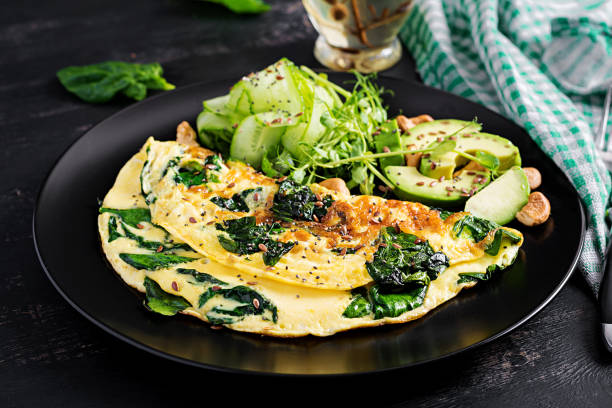
Many ketogenic plans limit carbohydrate intake to approximately 20–50 grams of net carbohydrates per day, although individual requirements and approaches differ.
Net carbohydrates are generally calculated by subtracting dietary fiber from total carbohydrates. However, labeling rules and the treatment of certain sugar alcohols can vary, so nutrition information should be interpreted carefully.
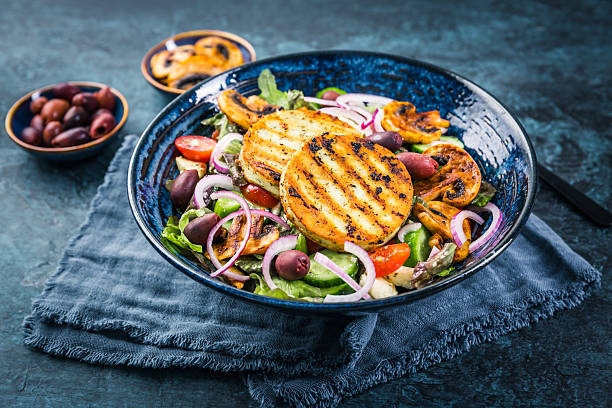
Popular keto-friendly ingredients include eggs, fish, chicken, meat, leafy greens, avocados, olive oil, cheese, nuts, seeds, and low-carbohydrate vegetables.
The key is to combine these ingredients thoughtfully, creating meals that are nutritious, satisfying, and enjoyable.
Benefits of Cooking Keto Meals at Home
Preparing keto recipes in your own kitchen gives you more control over ingredients, portion sizes, and cooking methods.
Here are several reasons home cooks enjoy exploring low-carb meals:
- Greater ingredient control: You can limit added sugars and choose ingredients that fit your preferred carbohydrate target.
- Flexible meal planning: Many recipes can be adapted for breakfast, lunch, dinner, or snacks.
- More variety: Vegetables, herbs, spices, and different protein sources help prevent repetitive meals.
- Convenient preparation: Cooking several portions at once can make busy weekdays easier.
- Less dependence on packaged foods: Homemade meals can reduce the need for highly processed keto-branded snacks and substitutes.
However, keto is not automatically healthier than every other eating pattern. Food quality still matters, and a diet dominated by butter, processed meats, and cheese may lack sufficient fiber and variety.
Essential Ingredients for Delicious Keto Recipes
A well-stocked kitchen makes low-carb cooking much easier. You do not need expensive specialty products to prepare satisfying meals.
| Ingredient | How to Use It | Main Advantage |
|---|---|---|
| Eggs | Omelets, muffins, breakfast bowls | Versatile protein source |
| Chicken | Grilled meals, casseroles, skillet recipes | Flexible main ingredient |
| Salmon | Baked dinners and salads | Provides protein and omega-3 fats |
| Avocado | Salads, dips, breakfast plates | Contains fiber and unsaturated fat |
| Cauliflower | Rice substitute, mash, casseroles | Versatile low-carb vegetable |
| Zucchini | Noodles, roasted sides, fritters | Useful alternative to pasta |
| Spinach | Omelets, salads, skillet dishes | Adds leafy greens |
| Olive oil | Dressings, roasting, sautéing | Source of unsaturated fat |
| Plain Greek yogurt | Sauces and dressings | Adds creaminess and protein |
| Almond flour | Selected low-carb baking recipes | Alternative to wheat flour |
Check product labels when purchasing sauces, yogurt, nut products, and packaged ingredients because added sugar and carbohydrate content can vary considerably.
1. Creamy Garlic Butter Chicken
<text color=”secondary” size=”sm”>A comforting skillet dinner with tender chicken and a rich garlic sauce.</text>
Creamy garlic chicken is an excellent choice when you want a satisfying dinner without complicated preparation. The combination of garlic, herbs, cream, and chicken creates a flavorful sauce that pairs well with roasted vegetables.
Ingredients
- 2 boneless chicken breasts
- 2 tablespoons olive oil
- 2 tablespoons butter
- 3 garlic cloves, minced
- 1/2 cup heavy cream
- 1/4 cup grated Parmesan cheese
- 1 teaspoon Italian seasoning
- Salt and black pepper to taste
- Fresh parsley for garnish
Instructions
- Season the chicken with salt, black pepper, and Italian seasoning.
- Heat the olive oil in a skillet over medium heat.
- Cook the chicken until golden on both sides and fully cooked, reaching an internal temperature of 165°F (74°C).
- Remove the chicken and melt the butter in the same skillet.
- Add the garlic and cook briefly until fragrant.
- Stir in the cream and Parmesan, allowing the sauce to thicken gently.
- Return the chicken to the skillet and coat it with the sauce.
- Garnish with parsley and serve warm.
Serving suggestion: Pair this dish with steamed broccoli, sautéed spinach, or cauliflower mash.
2. Keto Avocado and Egg Breakfast Bowl
A good breakfast does not have to involve toast or sugary cereal. This simple bowl combines eggs, avocado, and fresh vegetables for a satisfying start to the day.
Ingredients
- 2 eggs
- 1/2 avocado
- 1/2 cup chopped spinach
- 4 cherry tomatoes
- 1 teaspoon olive oil
- Salt and black pepper
- A squeeze of lemon juice
Instructions
- Heat the olive oil in a small pan and sauté the spinach until wilted.
- Cook the eggs according to your preference.
- Slice the avocado and halve the cherry tomatoes.
- Arrange the spinach, eggs, avocado, and tomatoes in a bowl.
- Season with salt, pepper, and lemon juice.
This breakfast is easy to customize. You can add mushrooms, herbs, or a small amount of cheese to change the flavor.
3. Cheesy Cauliflower Casserole
Cauliflower is a popular ingredient in keto cooking because it can replace some higher-carbohydrate ingredients while providing a satisfying texture.
This casserole combines tender cauliflower with cheese and seasoning to create a comforting side dish or vegetarian main course.
Ingredients
- 1 medium cauliflower, cut into florets
- 1/2 cup shredded cheddar cheese
- 1/4 cup heavy cream
- 2 tablespoons cream cheese
- 1 garlic clove, minced
- 1/2 teaspoon paprika
- Salt and black pepper to taste
Instructions
- Preheat the oven to 375°F (190°C).
- Steam the cauliflower until just tender, then drain thoroughly.
- Mix the cream, cream cheese, garlic, paprika, salt, and pepper.
- Place the cauliflower in a baking dish and pour the creamy mixture over it.
- Sprinkle cheddar cheese across the top.
- Bake for approximately 20–25 minutes, until bubbling and golden.
For extra texture, add a small quantity of chopped almonds or fresh herbs before serving.
4. Zucchini Noodles With Pesto
If you miss pasta, zucchini noodles can provide a fresh alternative. They are lighter than traditional wheat pasta and work well with flavorful sauces.
Ingredients
- 2 medium zucchini
- 2 tablespoons pesto
- 1 tablespoon olive oil
- 1 garlic clove, minced
- 2 tablespoons grated Parmesan
- Salt and black pepper
- Optional grilled chicken
Instructions
- Use a spiralizer or vegetable peeler to create zucchini noodles.
- Heat olive oil in a skillet and cook the garlic briefly.
- Add the zucchini noodles and sauté for 2–4 minutes.
- Stir in the pesto and season to taste.
- Finish with Parmesan and serve immediately.
Avoid overcooking the zucchini because it releases moisture and can become watery.
For a more filling meal, add grilled chicken or cooked shrimp.
5. Baked Salmon With Lemon and Herbs
Salmon is a useful choice for keto meals because it provides protein and beneficial omega-3 fatty acids.
This recipe keeps the seasoning simple, allowing the fish’s natural flavor to shine.
Ingredients
- 2 salmon fillets
- 1 tablespoon olive oil
- 1 tablespoon lemon juice
- 1 garlic clove, minced
- 1 teaspoon dried dill or parsley
- Salt and black pepper
Instructions
- Preheat the oven to 400°F (200°C).
- Place the salmon in a lightly oiled baking dish.
- Combine olive oil, lemon juice, garlic, herbs, salt, and pepper.
- Spoon the mixture over the fillets.
- Bake for approximately 12–15 minutes, depending on thickness.
- Check that the fish reaches a safe internal temperature of 145°F (63°C), or follows appropriate local food-safety guidance.
Serve with roasted asparagus, broccoli, or a leafy green salad.
Quick Comparison of These Keto Recipes
| Recipe | Approximate Preparation Time | Main Ingredient | Meal Type |
|---|---|---|---|
| Creamy garlic chicken | 30 minutes | Chicken | Dinner |
| Avocado and egg bowl | 10–15 minutes | Eggs and avocado | Breakfast |
| Cheesy cauliflower casserole | 35–45 minutes | Cauliflower | Side or main |
| Zucchini noodles with pesto | 15 minutes | Zucchini | Lunch or dinner |
| Baked salmon | 20–25 minutes | Salmon | Dinner |
Times vary with equipment and preparation. These are general estimates, not nutritional analyses.
Easy Keto Snacks for Busy Days
Snacks can help make meal planning more flexible, but they should complement rather than replace balanced meals.
Consider these options:
- Boiled eggs: Convenient and easy to prepare ahead.
- Cheese portions: A simple source of protein and fat.
- Cucumber with guacamole: Fresh vegetables paired with a creamy avocado dip.
- A small serving of nuts: Almonds or walnuts provide fats and fiber, but portions matter because their calories add up quickly.
- Olives: A flavorful option that can be served alongside vegetables or cheese.
- Plain Greek yogurt: Choose an unsweetened variety and check its carbohydrate content.
Packaged snacks labeled “keto” are not automatically nutritious. Check their ingredients, serving sizes, added sugars, and overall nutritional profile.
How to Plan a Simple Keto Meal Menu
Planning ahead can reduce the temptation to rely on convenience foods. A practical menu should include a variety of protein sources, non-starchy vegetables, and unsaturated fats.
Here is an example of how a day might look:
| Meal | Suggested Menu |
|---|---|
| Breakfast | Eggs with spinach and avocado |
| Lunch | Chicken salad with olive oil and lemon dressing |
| Snack | A small serving of almonds |
| Dinner | Baked salmon with broccoli and roasted zucchini |
This is an illustrative menu rather than a personalized dietary prescription. Whether it fits a ketogenic carbohydrate target depends on the actual portions and ingredients.
For efficient meal preparation, wash vegetables ahead of time, portion proteins, and prepare sauces separately. Cooked meals can be refrigerated in suitable containers, and leftovers should be reheated safely.
Tips for Making Keto Recipes More Flavorful
Low-carb cooking should never mean bland cooking. A few straightforward techniques can transform everyday ingredients.
Use fresh herbs. Parsley, cilantro, basil, and dill add freshness without requiring sugary sauces.
Add acidity. Lemon juice or vinegar can brighten creamy sauces, roasted vegetables, and salads.
Experiment with spices. Paprika, cumin, garlic powder, black pepper, and chili flakes help create different flavor profiles.
Roast vegetables properly. Roasting can develop browned edges and a deeper flavor than steaming alone.
Include different textures. Pair creamy avocado or cauliflower mash with crisp vegetables, toasted nuts, or fresh salad leaves.
Choose quality fats. Olive oil, avocado, nuts, and seeds offer useful unsaturated fats and can contribute to a varied diet.
The guiding principle is simple: build flavor through ingredients and technique, not just extra fat or salt.
Common Mistakes to Avoid When Cooking Keto Meals
| Mistake | Why It Matters | Better Approach |
|---|---|---|
| Eating too few vegetables | Can reduce fiber and dietary variety | Include a range of non-starchy vegetables |
| Ignoring hidden carbohydrates | Sauces and packaged foods may contain added sugar | Read labels and check serving sizes |
| Relying heavily on processed meat | Can increase sodium and saturated fat intake | Vary protein sources with fish, eggs, poultry, and plant foods |
| Eating too much cheese and butter | May displace more nutritious foods | Include olive oil, nuts, seeds, and avocado |
| Assuming every keto product is healthy | Marketing does not guarantee nutritional quality | Evaluate the complete ingredient and nutrition label |
| Failing to plan meals | Can make consistent food choices more difficult | Prepare ingredients and a flexible menu in advance |
Is the Keto Diet Suitable for Everyone?
The ketogenic diet may help some adults manage weight or blood glucose, but it is not appropriate for everyone, and long-term effects can vary.
Restricting carbohydrates substantially may cause temporary symptoms such as headache, fatigue, constipation, or dizziness, particularly during the initial adjustment period. Maintaining hydration and adequate nutrient intake is important.
People with diabetes who use insulin or certain glucose-lowering medications may face a risk of hypoglycemia when changing carbohydrate intake. Medical guidance is important before making substantial dietary changes.
A ketogenic diet may also be unsuitable for people with certain medical conditions, including some disorders affecting fat metabolism or the pancreas, liver, or kidneys. Anyone who is pregnant, breastfeeding, or managing a significant health condition should seek individualized advice before following a restrictive diet.
For many people, a less restrictive eating pattern built around vegetables, protein-rich foods, whole grains, legumes, and healthy fats may be a more sustainable option.
Frequently Asked Questions About Keto Recipes
What foods are commonly used in keto recipes?
Common choices include eggs, fish, poultry, meat, leafy greens, cauliflower, zucchini, avocado, olive oil, cheese, nuts, and seeds. Portions and preparation methods determine whether a particular meal fits your carbohydrate target.
Can I make keto recipes without dairy?
Yes. Use olive oil, avocado, coconut milk where appropriate, and dairy-free alternatives with suitable nutrition labels. Replace butter and cream according to the requirements of each recipe.
Are keto recipes suitable for vegetarians?
Many can be adapted using eggs, cheese, tofu, nuts, seeds, avocado, and low-carbohydrate vegetables. Strict vegan keto plans require additional planning to provide sufficient protein and micronutrients.
Can keto meals be prepared in advance?
Yes. Chicken, cooked vegetables, boiled eggs, and many casseroles can be prepared ahead and stored safely. Keep sauces separate when needed to preserve texture.
Do keto recipes automatically lead to weight loss?
No. Weight change depends on overall energy intake, activity, health, and other individual factors. A ketogenic diet may help some people, but it does not guarantee weight loss.
Conclusion: Make Low-Carb Cooking Delicious and Practical
Keto recipes can bring plenty of variety to the kitchen, from creamy garlic chicken and cheesy cauliflower casserole to fresh zucchini noodles and lemon-herb salmon. With thoughtful ingredient choices, you can create satisfying meals that fit a low-carbohydrate eating pattern without making everyday cooking complicated.
Start with recipes that match your tastes and schedule. Keep vegetables in the spotlight, explore different protein sources, use herbs and spices generously, and pay attention to the nutritional information of packaged ingredients.
Most importantly, choose an eating pattern that supports your health needs and that you can maintain comfortably. Keto cooking is one possible approach, not the only way to enjoy nutritious, flavorful food.
Ready to refresh your weekly menu? Pick one recipe from this guide, gather a few simple ingredients, and discover how delicious low-carb cooking can be.