
Some recipes prove that extraordinary food does not require a long shopping list or complicated cooking techniques. Carbonara is a perfect example. Made with pasta, eggs, hard Italian cheese, cured pork, and freshly ground black pepper, this classic Italian dish transforms a handful of ingredients into a rich, silky, and satisfying meal.
A well-prepared carbonara has a beautiful balance of flavors. The pork adds a savory, salty character, the cheese contributes a sharp and nutty taste, and the eggs create a smooth sauce that clings to every strand of pasta. Freshly cracked black pepper brings everything together with a gentle warmth.
Although carbonara is a popular restaurant favorite, preparing it at home can be surprisingly simple once you understand the technique. The secret is not adding cream or cooking an elaborate sauce. Instead, it is learning how to combine eggs, cheese, hot pasta, and a little starchy cooking water without scrambling the eggs.
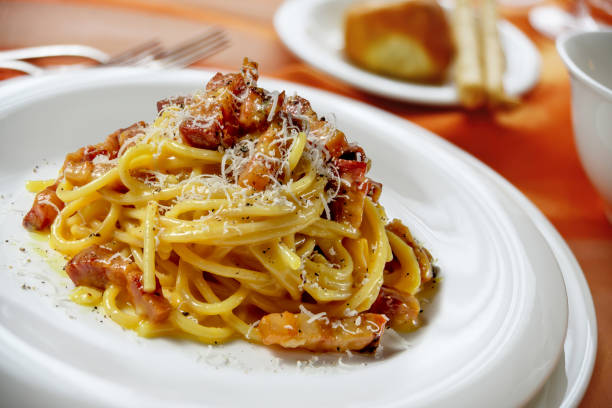
In this complete carbonara recipe guide, you will discover the traditional ingredients, easy step-by-step instructions, useful cooking tips, common mistakes to avoid, and delicious serving ideas. Whether you are cooking for yourself or preparing dinner for your family, this recipe will help you create a comforting Italian-inspired meal with confidence.
What Is Carbonara?
Carbonara is a traditional pasta dish associated with Rome and the Lazio region of Italy. Its classic preparation uses pasta, guanciale, eggs, Pecorino Romano cheese, and black pepper.
Guanciale is cured pork cheek, valued for its rich flavor and the fat it releases during cooking. Pecorino Romano is a firm sheep’s milk cheese with a salty, tangy character that works beautifully with eggs and pepper.
When the ingredients are combined correctly, the egg and cheese mixture becomes a glossy sauce without needing cream. The residual heat from the pasta gently thickens the mixture, while reserved pasta water helps create a smooth consistency.
Spaghetti is a common choice, although other pasta shapes can work well. The finished dish should taste savory and balanced, with enough sauce to coat the pasta without leaving it swimming in liquid.
The defining feature of carbonara is its simplicity: each ingredient has a purpose, and the cooking technique allows those ingredients to work together.
Why You Will Love This Carbonara Recipe
This recipe is ideal for home cooks who want an impressive dinner without spending hours in the kitchen.
- Quick preparation: The dish can be ready in approximately 25–30 minutes.
- Simple ingredients: You only need a few main ingredients to create a flavorful meal.
- Naturally creamy texture: Eggs and cheese create the sauce without requiring heavy cream.
- Restaurant-style results: A careful finishing technique gives the pasta a glossy appearance.
- Easy to customize: You can adjust the pasta shape, cheese balance, and pepper level while respecting the traditional approach.
- Perfect for weeknight dinners: The short cooking time makes carbonara useful when you want something satisfying after a busy day.
Once you master the basic technique, you will have a recipe that feels special enough for guests but practical enough for an ordinary evening.
Carbonara Recipe at a Glance
| Recipe Detail | Information |
|---|---|
| Preparation time | 10 minutes |
| Cooking time | 15–20 minutes |
| Total time | Approximately 25–30 minutes |
| Servings | 2 generous portions |
| Cuisine | Italian |
| Main ingredient | Pasta |
| Difficulty | Easy to moderate |
| Cooking method | Boiling and pan-frying |
| Sauce style | Egg and cheese emulsion |
Ingredients for Traditional-Style Carbonara
For the best results, choose good-quality ingredients and measure them before starting. Carbonara cooks quickly, so preparation makes the process much easier.
Ingredients
- 200 g spaghetti
- 100 g guanciale, cut into small strips or cubes
- 2 large eggs
- 1 additional egg yolk
- 50 g finely grated Pecorino Romano cheese
- Freshly ground black pepper, to taste
- Salt for the pasta water
If guanciale is unavailable, pancetta is a useful alternative. Unsweetened bacon can also work, although its smoky flavor differs from traditional Italian cured pork.
Pecorino Romano gives carbonara its characteristic sharpness. Some cooks use a mixture of Pecorino Romano and Parmigiano Reggiano for a slightly milder flavor.
A note about cream: Traditional Roman carbonara does not require heavy cream. The silky sauce comes from eggs, cheese, pork fat, and starchy pasta water.
How to Make Carbonara Step by Step
The most important part of this recipe is timing. Prepare the sauce ingredients before the pasta finishes cooking so everything is ready to combine while the pasta is hot.
Step 1: Prepare the Ingredients
Cut the guanciale into small strips or cubes. Finely grate the Pecorino Romano and crack the eggs into a bowl.
Separate one additional yolk and add it to the eggs. Grind a generous amount of black pepper into the mixture.
Having everything ready before cooking begins prevents unnecessary delays when the pasta is finished.
Step 2: Cook the Guanciale
Place the guanciale in a cold frying pan and turn the heat to medium-low.
Allow it to cook gradually, stirring occasionally, until the fat renders and the pieces become golden around the edges. This usually takes approximately 5–8 minutes, depending on the thickness of the pieces.
Avoid rushing this step over excessively high heat. Slow rendering helps develop flavor while preventing the pork from burning.
Once cooked, turn off the heat. Leave the rendered fat in the pan because it forms an important part of the sauce.
Step 3: Boil the Pasta
Bring a large pot of water to a boil. Add salt, keeping in mind that Pecorino Romano and cured pork already contribute considerable saltiness.
Add the spaghetti and cook according to the package directions until al dente, meaning tender but still slightly firm in the center.
Before draining, reserve at least one cup of pasta cooking water. This water contains starch that helps bind the sauce and gives it a smooth consistency.
Do not rinse the pasta after draining. Rinsing removes surface starch that helps the sauce cling to the strands.
Step 4: Prepare the Egg and Cheese Mixture
While the pasta cooks, combine the eggs, extra yolk, grated Pecorino Romano, and black pepper in a mixing bowl.
Whisk until the mixture forms a thick, creamy paste.
If the mixture appears unusually stiff, a small splash of warm pasta water can help loosen it. Add the water gradually rather than pouring in a large amount at once.
Keep the mixture ready near the stove, but do not add it to a very hot pan over direct heat.
Step 5: Combine the Pasta and Guanciale
Transfer the drained spaghetti into the pan containing the cooked guanciale and its rendered fat.
Toss thoroughly so the pasta becomes coated. If the pan has cooled completely, gently warm it for a short time, then remove it from the heat.
Let the pasta cool briefly before adding the egg mixture. The pan should be warm enough to help thicken the sauce but not so hot that the eggs immediately scramble.
Step 6: Create the Silky Carbonara Sauce
Add the egg and cheese mixture to the hot pasta while tossing continuously with tongs.
Pour in a small splash of reserved pasta water and keep mixing. Add more water gradually until the sauce becomes glossy and coats the spaghetti evenly.
The residual heat gently thickens the eggs and melts the cheese into a creamy coating. Avoid placing the pan back over strong direct heat while the egg mixture is being incorporated.
If the sauce seems too thick, add another small splash of pasta water. If it looks too loose, continue tossing for a few moments while allowing the mixture to thicken gently.
The goal is a smooth, silky sauce rather than scrambled eggs or a watery coating.
Step 7: Finish and Serve Immediately
Divide the carbonara between warm plates. Finish with extra grated Pecorino Romano and freshly ground black pepper.
Serve immediately while the sauce is glossy and the pasta is hot.
Carbonara is best enjoyed fresh because the sauce thickens as it cools. A little reserved pasta water can help loosen it if necessary, but freshly made carbonara generally offers the best texture.
The Secret to Perfect Carbonara
Carbonara looks simple, but its success depends on a few small details.
Control the Temperature
Heat is essential for creating the sauce, but excessive heat can scramble the eggs.
Always remove the pan from direct heat before incorporating the egg and cheese mixture. The hot pasta supplies the warmth needed to thicken the sauce gently.
Reserve Pasta Water
Pasta water is one of the most useful ingredients in carbonara. Its starch helps emulsify the rendered pork fat, eggs, and cheese into a cohesive sauce.
Add it a little at a time. Too much water can make the sauce thin, while too little can leave it heavy or clumpy.
Grate the Cheese Finely
Finely grated cheese melts more evenly than large shavings. This helps prevent a grainy sauce and makes it easier to coat the pasta.
Use Freshly Ground Black Pepper
Black pepper is not merely a garnish. It provides an aromatic contrast to the rich eggs, cheese, and pork.
Grinding it freshly just before cooking gives the dish a more pronounced fragrance.
Work Quickly
Once the pasta is cooked, the finishing process should move smoothly from pan to plate.
The secret to carbonara is gentle heat, continuous movement, and patience when adding the pasta water.
Common Carbonara Mistakes and How to Avoid Them
| Mistake | Why It Happens | How to Fix It |
|---|---|---|
| Scrambled eggs | The pan is too hot when eggs are added | Remove the pan from direct heat and toss continuously |
| Thick, clumpy sauce | Not enough pasta water or poorly melted cheese | Add warm pasta water gradually and mix thoroughly |
| Watery sauce | Too much water added at once | Add small splashes and toss until the sauce coats the pasta |
| Excessively salty flavor | Too much salt in the water or very salty pork and cheese | Season pasta water moderately and taste before adding extra salt |
| Dry pasta | The sauce thickens before serving | Loosen it with a small amount of reserved pasta water |
| Bland flavor | Too little black pepper or insufficiently seasoned ingredients | Adjust the pepper and taste the finished dish before serving |
| Burnt guanciale | Cooking over excessively high heat | Render the pork slowly over medium-low heat |
Can You Make Carbonara Without Guanciale?
Yes. Although guanciale is the traditional choice, you can prepare a satisfying variation with ingredients available at your local grocery store.
Pancetta: This is one of the closest practical alternatives. It offers a savory cured-pork flavor without necessarily having the same richness as guanciale.
Bacon: Bacon is widely available and can provide a delicious result, especially for everyday cooking. Smoked bacon will create a smokier flavor than traditional carbonara.
Vegetarian variation: You can omit the pork and use sautéed mushrooms for a savory alternative. However, this changes the traditional recipe, and the rendered pork fat will no longer be available. Olive oil or butter can help provide richness.
Whatever alternative you choose, keep the egg, cheese, and pasta-water technique consistent. The method is what creates carbonara’s signature sauce.
Delicious Ways to Customize Carbonara
Traditional carbonara is intentionally simple, but there are ways to adjust the recipe to suit your preferences.
Choose Your Pasta Shape
Spaghetti is classic, but rigatoni, bucatini, and other pasta shapes can also work well. Shapes with ridges or hollow centers may hold the sauce differently.
Adjust the Cheese
Pecorino Romano provides a distinctive salty, tangy flavor. If you prefer a milder result, replace part of it with Parmigiano Reggiano.
Add More Black Pepper
If you enjoy a stronger pepper flavor, grind additional black pepper over the finished dish. Add it gradually to avoid overwhelming the other ingredients.
Serve With Fresh Vegetables
Carbonara is rich, so a simple green salad or lightly dressed vegetables can provide a refreshing contrast.
If you want to experiment with cream, peas, or mushrooms, you can certainly create your own pasta variation. Just remember that these additions move the dish away from the classic Roman preparation.
What to Serve With Carbonara
A good side dish should complement the pasta rather than compete with its rich flavor.
| Side Dish | Why It Works |
|---|---|
| Green salad with lemon dressing | Adds freshness and acidity |
| Roasted asparagus | Provides a tender texture and mild vegetable flavor |
| Steamed green beans | Offers a simple, light accompaniment |
| Tomato and cucumber salad | Adds freshness and color |
| Crusty Italian bread | Useful for enjoying any remaining sauce |
| Roasted zucchini | Provides a savory vegetable side |
For a simple dinner, serve carbonara with a crisp green salad and sparkling water. For a more elaborate meal, begin with a light vegetable antipasto and finish with fresh fruit or a small Italian dessert.
Is Carbonara Healthy?
Carbonara provides carbohydrates from pasta, protein from eggs and pork, and fat from the cheese and rendered pork. It can be part of a balanced eating pattern, depending on the serving size and the rest of your meals.
However, traditional carbonara can be relatively high in saturated fat and sodium because of the cured pork and cheese.
For a more balanced meal, consider serving a moderate portion with vegetables or salad. You can also reduce the amount of cured pork or cheese to suit your dietary preferences, although the flavor and texture will change.
People who need to limit sodium, saturated fat, or certain animal products should adjust the recipe to meet their individual needs.
Frequently Asked Questions About Carbonara
Does authentic carbonara contain cream?
Traditional Roman carbonara does not contain cream. Its creamy texture comes from eggs, cheese, rendered pork fat, and starchy pasta water.
Can I make carbonara with whole eggs only?
Yes. Many home cooks use whole eggs without adding an extra yolk. The additional yolk in this recipe contributes richness, but the proportions can be adjusted to personal taste.
Why did my carbonara eggs scramble?
The most likely reason is excessive heat. Adding the egg mixture directly to a very hot pan can cook the eggs too quickly. Remove the pan from direct heat and toss the pasta continuously as you add the sauce.
Can I reheat leftover carbonara?
Carbonara is best eaten fresh. Leftovers can be refrigerated in a covered container within two hours of cooking and used within 3–4 days. Reheat gently until steaming hot throughout, adding a little water if needed. The sauce may not retain its original silky texture.
Which cheese is best for carbonara?
Pecorino Romano is the traditional choice. Parmigiano Reggiano can be mixed with it or used as an alternative, although the flavor will be milder and less tangy.
Is carbonara suitable for beginners?
Yes. The ingredient list is short, and the steps are straightforward. The main technique to practice is combining the eggs and cheese with the hot pasta without overheating the mixture.
Conclusion: Enjoy Restaurant-Style Carbonara at Home
A great carbonara recipe demonstrates how a few carefully chosen ingredients can create a memorable meal. The combination of pasta, eggs, Pecorino Romano, cured pork, and freshly ground black pepper produces a dish that is comforting, flavorful, and deeply connected to Roman food traditions.
The most important lesson is to pay attention to the temperature. Cook the pork slowly, reserve the starchy pasta water, remove the pan from direct heat, and toss the egg and cheese mixture with the hot pasta until the sauce becomes glossy.
Once you understand this technique, you can prepare carbonara confidently and adapt it to the ingredients available in your kitchen.
Whether you are making a quick weeknight dinner or cooking for someone special, homemade carbonara offers a wonderful reminder that excellent food does not need to be complicated.
Gather your ingredients, boil your pasta, and enjoy a delicious taste of Italy—one silky, peppery bite at a time.