
Middle Eastern food is more than a collection of recipes; it is a celebration of culture, hospitality, family traditions, and the joy of sharing a meal. From the smoky aroma of freshly grilled kebabs to the comforting warmth of lentil soup and the sweet fragrance of baklava, Middle Eastern cuisine offers a remarkable variety of flavors that appeal to food lovers around the world.
The Middle East includes diverse countries and culinary traditions, such as Lebanon, Türkiye, Jordan, Palestine, Syria, Iraq, Iran, Saudi Arabia, Yemen, and other parts of the region. Each destination brings its own ingredients, cooking methods, spices, and signature dishes to the table.
What makes this cuisine especially fascinating is its balance of simple ingredients and rich flavors. Chickpeas become creamy hummus, rice transforms into fragrant pilaf, and fresh vegetables combine with herbs, lemon juice, and olive oil to create colorful, satisfying meals.
Whether you are exploring Middle Eastern food for the first time or looking for new dishes to prepare at home, this guide will introduce you to popular meals, traditional ingredients, cooking techniques, desserts, and practical tips for enjoying this extraordinary culinary tradition.
What Is Middle Eastern Food?
Middle Eastern food refers to the culinary traditions associated with the Middle East. Although recipes vary significantly between countries and communities, many share a love of fresh herbs, legumes, grains, vegetables, grilled meats, aromatic spices, and generous hospitality.
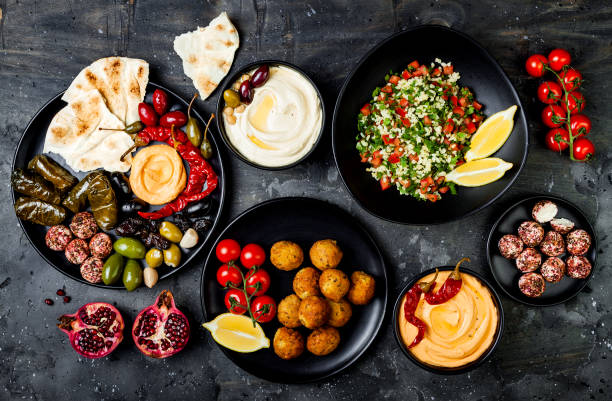
Olive oil, garlic, lemon, yogurt, chickpeas, rice, wheat, lamb, and chicken appear frequently in many regional cuisines. However, no single ingredient or cooking style represents the entire region.
For example, Lebanese cooking is widely appreciated for its fresh salads, mezze, and grilled dishes. Iranian cuisine is known for fragrant rice, saffron, herbs, and slow-cooked stews. Yemeni food features distinctive rice dishes and spice blends, while Turkish cuisine offers a broad range of kebabs, breads, pastries, and vegetable preparations.
The result is a culinary landscape full of contrasts: fresh and smoky, tangy and creamy, sweet and savory.
Popular Middle Eastern Foods You Should Try
If you want to explore this cuisine, starting with its best-known dishes is an excellent idea. The following foods demonstrate the region’s variety and the different ways ingredients can be combined.
1. Hummus: A Creamy Chickpea Favorite
Hummus is one of the most recognizable dishes associated with Middle Eastern cuisine. Traditionally prepared with chickpeas, tahini, lemon juice, garlic, and olive oil, it has a smooth texture and a balanced combination of nutty, tangy, and savory flavors.
It is commonly served as part of a mezze spread, alongside warm pita bread, fresh vegetables, olives, and other small dishes.
Why people love it: Hummus is easy to share, simple to prepare, and versatile enough to serve as a snack, appetizer, or sandwich spread.
For a homemade version, blend cooked chickpeas with tahini, lemon juice, garlic, salt, and a little cold water until smooth. Finish with olive oil and a sprinkle of paprika or chopped parsley.
2. Falafel: Crispy, Flavorful, and Satisfying
Falafel consists of seasoned chickpeas or, in some regional traditions, fava beans that are shaped into balls or patties and fried until golden.
Fresh herbs, onion, garlic, cumin, and coriander give falafel its distinctive flavor. The exterior becomes crisp while the inside remains tender and fragrant.
Falafel is often served in pita bread with lettuce, tomatoes, pickled vegetables, and tahini sauce. It also works beautifully as part of a vegetarian platter.
One important preparation tip is to use properly soaked dried legumes in traditional recipes rather than relying automatically on canned chickpeas, which can make the mixture too soft.
3. Shawarma: A Street-Food Classic
Shawarma is a popular dish made from seasoned meat cooked on a rotating vertical spit. Chicken, beef, and lamb are common choices, depending on the location and recipe.
As the meat cooks, its outer layers develop a rich, browned surface. Thin slices are then served in flatbread or on a plate with vegetables, sauces, and pickles.
Typical seasonings may include cumin, coriander, paprika, garlic, turmeric, cinnamon, or cardamom, although recipes differ.
A homemade version can be prepared by marinating thinly sliced chicken with yogurt, lemon juice, garlic, and spices before roasting or grilling it. Although the cooking method differs from traditional spit-roasting, the result can still be delicious.
4. Tabbouleh: A Fresh and Herby Salad
Tabbouleh is a vibrant salad particularly associated with Levantine cuisine, especially Lebanon. Parsley is the star ingredient, supported by tomatoes, mint, bulgur wheat, lemon juice, and olive oil.
Unlike salads dominated by grains, traditional Lebanese tabbouleh typically contains much more parsley than bulgur.
The combination of herbs and citrus creates a refreshing dish that pairs well with grilled meats, falafel, hummus, and flatbreads.
For the best flavor, use fresh parsley, ripe tomatoes, and freshly squeezed lemon juice. Chop the ingredients finely and allow the flavors to mingle briefly before serving.
5. Kebabs: The Art of Grilling
Kebabs are found in many Middle Eastern and neighboring culinary traditions, with different regions developing their own styles.
Some feature cubes of marinated meat threaded onto skewers, while others use minced meat shaped around metal skewers. Chicken, lamb, beef, and vegetables can all be prepared in different kebab styles.
The secret to excellent kebabs lies in the balance of seasoning, suitable cuts of meat, and proper heat control. A hot grill creates a flavorful exterior while helping the interior remain juicy.
Serve kebabs with grilled vegetables, rice, flatbread, yogurt sauce, or a fresh salad for a complete meal.
6. Mujadara: Comfort Food Made With Simple Ingredients
Mujadara is a traditional dish commonly associated with the Levant. It combines lentils, rice or another grain, and onions cooked until deeply golden.
Despite its straightforward ingredients, mujadara delivers remarkable flavor. Slowly caramelized onions provide sweetness and depth, while lentils contribute a hearty texture.
It is an excellent example of how traditional cooking can turn affordable pantry staples into a satisfying meal.
Serve mujadara with plain yogurt, cucumber salad, or sliced tomatoes. It can be enjoyed warm or at room temperature, making it useful for family meals and packed lunches.
7. Mansaf: A Traditional Jordanian Specialty
Mansaf is a celebrated Jordanian dish associated with hospitality, gatherings, and special occasions.
It typically features lamb cooked in a sauce made with jameed, a fermented and dried yogurt product, and is served over rice with flatbread and garnishes that may include almonds or pine nuts.
The flavor is distinctive, combining savory meat with the tangy character of the yogurt-based sauce.
Mansaf is also culturally significant. In traditional settings, it can be served communally, reflecting the importance of welcoming guests and sharing food.
8. Kabsa: Fragrant Rice With Meat
Kabsa is a well-known rice dish associated with Saudi Arabia and the wider Arabian Peninsula. It commonly combines rice, chicken or lamb, tomatoes, and a mixture of aromatic spices.
Depending on the recipe, seasonings may include cardamom, cloves, cinnamon, black pepper, bay leaves, and dried lime.
The rice absorbs the flavors of the cooking liquid, producing a fragrant and colorful dish that can feed a family or a large gathering.
For a practical home version, cook seasoned chicken with onions and tomatoes, add the rice and appropriate amount of stock, and allow everything to cook until tender.
A Quick Guide to Popular Middle Eastern Dishes
The table below makes it easier to compare some well-known dishes and understand how they fit into a meal.
| Dish | Main Ingredients | Typical Serving Style |
|---|---|---|
| Hummus | Chickpeas, tahini, lemon | Dip or appetizer |
| Falafel | Chickpeas or fava beans, herbs | Sandwich or snack |
| Shawarma | Seasoned meat, spices | Wrap or plate |
| Tabbouleh | Parsley, tomatoes, bulgur | Salad or side dish |
| Kebabs | Meat or vegetables, spices | Main course |
| Mujadara | Lentils, rice, onions | Vegetarian main dish |
| Mansaf | Lamb, jameed, rice | Traditional feast |
| Kabsa | Rice, meat, tomatoes, spices | Main course |
| Fattoush | Vegetables, toasted bread | Fresh salad |
| Baklava | Thin pastry, nuts, syrup | Dessert |
Essential Ingredients That Give Middle Eastern Food Its Character
A well-stocked pantry makes it much easier to prepare Middle Eastern dishes at home. Many traditional recipes rely on a handful of versatile ingredients that can be used in several different meals.
Aromatic Spices
Spices add warmth, complexity, and fragrance to many dishes.
- Cumin: Earthy and slightly smoky, ideal for legumes and meat.
- Coriander: Warm and citrus-like, useful in marinades and stews.
- Sumac: Tart and lemony, excellent on salads, grilled vegetables, and meat.
- Za’atar: A family of regional herb-and-spice blends that often includes thyme or related herbs, sesame seeds, and sumac.
- Cardamom: Fragrant and distinctive, used in rice dishes, coffee, and some desserts.
- Cinnamon: Adds warmth to selected savory dishes as well as sweets.
- Turmeric: Contributes an earthy flavor and golden color.
Spice blends vary between households and regions, so experimenting with different combinations is part of the fun.
Fresh Herbs and Vegetables
Parsley, mint, cilantro, tomatoes, cucumbers, onions, garlic, and lemons are important in many Middle Eastern kitchens.
Fresh herbs brighten rich dishes, while tomatoes and cucumbers provide moisture and freshness. Garlic and onions create a flavorful foundation for sauces, soups, stews, and marinades.
Grains and Legumes
Rice, bulgur, wheat, chickpeas, lentils, and fava beans are central to numerous regional recipes.
These ingredients are affordable, versatile, and suitable for both everyday cooking and festive meals. They also provide opportunities to prepare satisfying vegetarian dishes without sacrificing flavor.
Tahini, Yogurt, and Olive Oil
Tahini, made from sesame seeds, gives hummus and many sauces their nutty character. Yogurt can be used in marinades, dips, and accompaniments, while olive oil is important in many salads, vegetable dishes, and regional preparations.
Together, these ingredients help create the creamy, tangy, and savory contrasts that make many dishes memorable.
Traditional Middle Eastern Cooking Methods
Middle Eastern cuisine is not defined by ingredients alone. Cooking techniques are equally important.
Grilling and Roasting
Grilling is widely used for kebabs, chicken, fish, and vegetables. High heat creates browned surfaces and smoky flavors, while marinades help add moisture and seasoning.
Roasting is another practical method for preparing vegetables, chicken, and other main dishes.
Slow Cooking
Many stews and braised dishes develop their flavor over time. Slow cooking allows meat to become tender and gives spices, vegetables, and cooking liquids time to combine.
This method is particularly useful for family meals that benefit from rich, developed flavors.
Baking Flatbreads and Pastries
Bread plays an important role in many regional food traditions. Flatbreads may accompany dips, wrap fillings, or help scoop up sauces.
Pastries also have a special place in the cuisine, ranging from savory filled breads to delicate desserts layered with nuts and syrup.
Preparing Mezze
Mezze is a style of serving multiple small dishes, especially familiar in the Levant and neighboring regions.
A mezze spread may include hummus, baba ganoush, olives, salads, pickles, cheese, and flatbread. The exact selection depends on the occasion, location, and personal preferences.
Rather than focusing on one large dish, mezze encourages diners to sample several flavors and share the experience.
Middle Eastern Desserts Worth Discovering
Desserts bring another dimension to Middle Eastern food, combining nuts, fruit, pastry, dairy, and aromatic ingredients.
Baklava
Baklava is made from layers of thin pastry filled with nuts and finished with syrup or honey, depending on the recipe. It is popular in Türkiye and several neighboring culinary traditions, with regional differences in ingredients and preparation.
Its crisp layers and sweet filling make it a favorite for celebrations and special occasions.
Kunafa
Kunafa is a dessert prepared with fine shredded pastry or other regional pastry forms, often combined with a soft cheese or cream filling and sweet syrup.
It is enjoyed in various countries, and recipes differ considerably in texture, flavoring, and presentation.
Ma’amoul
Ma’amoul consists of delicate filled cookies commonly prepared with dates, nuts, or other fillings. They are especially associated with festive occasions and family gatherings in parts of the Levant and surrounding regions.
Rice Pudding
Rice pudding appears in many Middle Eastern food traditions. Depending on the recipe, it may be flavored with cardamom, rose water, cinnamon, or orange blossom water.
Its creamy texture makes it a comforting dessert that can be served warm or chilled.
How to Prepare a Simple Middle Eastern-Inspired Meal at Home
You do not need expensive equipment or hard-to-find ingredients to begin exploring these flavors. A simple meal built around familiar ingredients can provide an excellent introduction.
Suggested menu:
- Starter: Homemade hummus with warm pita bread.
- Main course: Spiced grilled chicken or vegetable kebabs.
- Side dish: Cucumber and tomato salad with lemon and parsley.
- Additional side: Rice seasoned with cumin and a small amount of cinnamon.
- Dessert: Baklava or lightly spiced rice pudding.
Practical Cooking Tips
1. Use fresh lemon juice. Citrus brightens sauces, salads, marinades, and grilled foods.
2. Toast selected spices. Briefly warming whole spices in a dry pan can enhance their aroma. Avoid burning them.
3. Season gradually. Add salt, spices, and acidic ingredients in stages, tasting as you cook.
4. Balance rich flavors with fresh ingredients. A crisp salad or herb-filled sauce can make a rich rice or meat dish feel more balanced.
5. Prepare components in advance. Hummus, salad ingredients, marinades, and some sauces can be prepared before guests arrive, reducing last-minute work.
6. Respect regional differences. A dish may have several authentic versions. Rather than assuming one recipe is universal, explore how ingredients and techniques change between regions.
Is Middle Eastern Food Healthy?
Many Middle Eastern dishes can fit comfortably into a balanced eating pattern. Legumes, vegetables, herbs, whole grains, nuts, and olive oil feature prominently in numerous traditional recipes.
Hummus and lentils provide plant-based protein and fiber, while fresh salads contribute vegetables and variety. Grilled fish or chicken can be useful protein options, and grain-based dishes can provide energy.
However, nutritional value depends on the recipe, serving size, and preparation method. Deep-fried foods, rich sauces, heavily sweetened desserts, and large portions can contain substantial amounts of calories, sugar, fat, or sodium.
For a balanced meal, consider combining vegetables, a protein source, whole grains or other starches, and a moderate amount of added fat. People with specific dietary needs should also check ingredients carefully, especially in prepared sauces, breads, marinades, and desserts.
Middle Eastern Food and the Importance of Hospitality
One of the most meaningful aspects of Middle Eastern cuisine is its connection to hospitality.
In many communities, preparing food for guests is an expression of generosity, respect, and care. Family recipes are passed between generations, meals bring relatives together, and special dishes mark weddings, religious celebrations, holidays, and other important occasions.
Sharing food can be just as important as the food itself. A table filled with bread, rice, salads, dips, and carefully prepared main dishes creates opportunities for conversation and connection.
These traditions are not identical everywhere, and customs vary by family and country. Nevertheless, the idea of welcoming others through food remains an important theme across many Middle Eastern culinary cultures.
Frequently Asked Questions About Middle Eastern Food
What are the most popular Middle Eastern foods?
Popular dishes include hummus, falafel, shawarma, kebabs, tabbouleh, fattoush, mujadara, mansaf, kabsa, baklava, and kunafa. Their popularity varies by country and community.
Is Middle Eastern food spicy?
Some dishes contain noticeable heat, but many rely more on aromatic spices, herbs, citrus, and garlic than on chili peppers. The flavor can be warm and complex without being hot.
What is a typical Middle Eastern breakfast?
Breakfast varies considerably by location. Common options in different parts of the region include flatbread, olives, cheese, labneh, eggs, fava beans, hummus, and fresh vegetables.
Can Middle Eastern food be vegetarian?
Absolutely. Hummus, falafel, mujadara, lentil soup, tabbouleh, fattoush, and many vegetable dishes can be vegetarian. Check preparation methods and sauces, as some recipes include meat stock or other animal products.
What should a beginner try first?
Hummus with pita bread is an easy starting point. Shawarma, falafel, tabbouleh, and grilled kebabs are also accessible introductions to the cuisine’s different flavors and textures.
What spices should I buy first?
Start with cumin, coriander, paprika, cinnamon, black pepper, and sumac if available. Add cardamom, turmeric, and za’atar as you explore more recipes.
Conclusion: Bring the Flavors of the Middle East to Your Table
Middle Eastern food offers a remarkable combination of fresh ingredients, aromatic spices, traditional cooking methods, and meaningful cultural connections. From creamy hummus and crisp falafel to fragrant kabsa, hearty mujadara, and syrup-soaked baklava, every dish provides an opportunity to discover a different part of the region’s culinary heritage.
The best way to explore this cuisine is to start with a few approachable recipes and gradually expand your cooking skills. Experiment with fresh herbs, learn how spices complement one another, and try dishes from different countries instead of treating the Middle East as a single culinary tradition.
Most importantly, remember that great food is about more than following a recipe. It is about sharing, exploring, and creating memorable experiences around the table.
Whether you prepare a quick weekday meal or organize a generous weekend feast, Middle Eastern food can bring color, fragrance, and warmth to your kitchen. Choose a dish that interests you, gather your ingredients, and begin your own delicious journey through one of the world’s most diverse culinary regions.