
There is something special about biting into a freshly cooked falafel. The outside is wonderfully crisp, the center is tender and fragrant, and every bite delivers a delicious combination of herbs, garlic, and warm spices. Served with creamy tahini sauce, fresh vegetables, and soft pita bread, falafel can turn a few simple ingredients into a satisfying meal.
This homemade falafel recipe is perfect for anyone who wants to enjoy authentic Middle Eastern-inspired flavors in their own kitchen. Whether you are preparing a quick lunch, planning a vegetarian dinner, or creating a colorful platter for guests, falafel is a versatile dish that deserves a place in your recipe collection.
The best part? You do not need complicated equipment or expensive ingredients. With dried chickpeas, fresh herbs, a few pantry spices, and the right preparation technique, you can make flavorful falafel that tastes delicious and holds together beautifully.
In this guide, you will learn how to prepare falafel from scratch, which ingredients make the biggest difference, how to avoid common mistakes, and how to serve your finished falafel in several delicious ways.
What Is Falafel?
Falafel is a traditional food widely associated with Middle Eastern cuisine. It consists of seasoned legumes mixed with herbs and aromatics, shaped into small balls or patties, and cooked until golden.
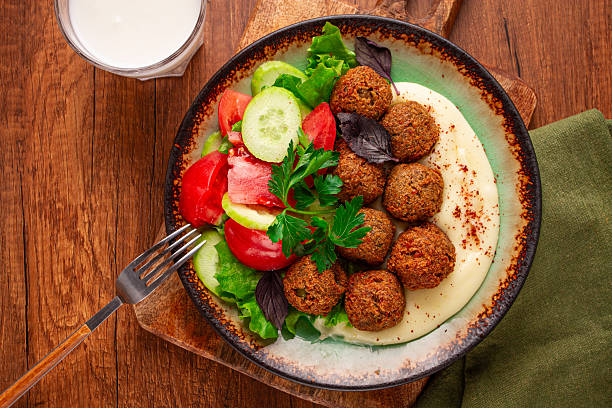
Chickpeas are commonly used in many falafel recipes, while fava beans are traditional in some regional variations. Parsley, cilantro, onion, garlic, cumin, and coriander often contribute to falafel’s distinctive flavor.
Falafel is especially popular as street food. It is frequently served inside pita bread with salad, pickled vegetables, and tahini sauce. It can also be enjoyed as an appetizer, a side dish, or the centerpiece of a vegetarian meal.
Although recipes vary from one country and family to another, the basic appeal remains the same: crisp edges, a flavorful interior, and ingredients that work beautifully together.
Why You Will Love This Homemade Falafel Recipe
This recipe is designed to produce falafel with a satisfying texture and balanced flavor without unnecessary complications.
- Crispy exterior: Properly prepared chickpeas help create a firm mixture that develops a golden crust.
- Fresh, vibrant flavor: Parsley, cilantro, onion, and garlic bring freshness to every bite.
- Simple ingredients: Most ingredients are easy to find at a grocery store.
- Vegetarian-friendly: Falafel is naturally plant-based when prepared with the ingredients listed below.
- Versatile serving options: Enjoy it in wraps, salads, grain bowls, or alongside your favorite dips.
- Make-ahead convenience: The mixture can be prepared in advance and refrigerated before cooking.
Homemade falafel also gives you control over the seasoning, cooking method, and portion size.
Falafel Recipe at a Glance
| Recipe Detail | Information |
|---|---|
| Preparation time | 20 minutes |
| Soaking time | 12–24 hours |
| Cooking time | 15–20 minutes per batch |
| Total active time | Approximately 35–40 minutes |
| Servings | 4 |
| Cuisine | Middle Eastern-inspired |
| Main ingredient | Dried chickpeas |
| Cooking method | Deep-frying or shallow-frying |
| Difficulty | Moderate |
| Dietary style | Vegetarian and vegan |
The total elapsed time includes soaking the chickpeas, which is essential for this traditional-style preparation.
Ingredients for Homemade Falafel
The quality of your ingredients has a major effect on the final texture and flavor. Fresh herbs create a bright taste, while the spices provide warmth without overpowering the chickpeas.
Main Ingredients
- 1 cup dried chickpeas
- 1 small onion, roughly chopped
- 3 garlic cloves
- 1 cup loosely packed fresh parsley
- 1/2 cup loosely packed fresh cilantro
- 1 teaspoon ground cumin
- 1 teaspoon ground coriander
- 1/2 teaspoon salt, or to taste
- 1/4 teaspoon black pepper
- 1/4 teaspoon baking soda
- 1–2 tablespoons chickpea flour or all-purpose flour, only if needed
- Neutral oil for frying
Optional Ingredients
- 1/4 teaspoon paprika for additional warmth
- A small pinch of cayenne pepper for heat
- 1 tablespoon sesame seeds for extra texture
- A squeeze of lemon juice for serving
Important ingredient tip: Use dried chickpeas that have been soaked but not cooked. Canned or fully cooked chickpeas contain more moisture and often produce a softer mixture that can fall apart during frying.
How to Make Falafel Step by Step
Follow these steps carefully to create falafel that holds together and cooks evenly.
Step 1: Soak the Chickpeas
Place the dried chickpeas in a large bowl and cover them with plenty of cold water. They will expand as they absorb moisture, so make sure the bowl has enough room.
Let the chickpeas soak for 12–24 hours. Drain and rinse them thoroughly before using.
Do not boil or cook the chickpeas for this recipe. Soaking softens them enough for processing while preserving the firmer texture needed for traditional-style falafel.
If the soaking period is long or your kitchen is warm, refrigerate the chickpeas during soaking for food safety.
Step 2: Prepare the Herbs and Aromatics
Wash the parsley and cilantro, then dry them thoroughly. Excess water can make the falafel mixture too wet.
Roughly chop the onion and peel the garlic cloves. Removing excess moisture from the herbs is a small step that can make a noticeable difference in the final result.
The combination of parsley and cilantro creates a fresh, green flavor. If you prefer a milder herbal taste, adjust their proportions while keeping the total amount reasonably similar.
Step 3: Process the Falafel Mixture
Add the soaked chickpeas, onion, garlic, parsley, cilantro, cumin, coriander, salt, and black pepper to a food processor.
Pulse the ingredients in short bursts until the mixture resembles coarse, damp crumbs. Scrape down the sides of the processor as needed.
Avoid blending the mixture into a smooth paste. Falafel needs some texture to produce a pleasant interior and a sturdy shape.
If your food processor is small, work in batches rather than overcrowding it.
Step 4: Add Baking Soda and Chill
Transfer the mixture to a bowl and stir in the baking soda.
Cover and refrigerate for approximately 30–60 minutes. This resting period allows the mixture to firm up and makes shaping easier.
Before cooking, squeeze a small amount between your fingers. It should hold together without feeling watery or sticky.
If the mixture seems excessively loose, mix in one tablespoon of chickpea flour at a time. Avoid adding too much flour, because it can make the finished falafel dense.
Step 5: Shape the Falafel
Scoop small portions of the mixture and shape them into balls or flattened patties.
Aim for pieces approximately 1 1/2 inches wide, keeping their sizes consistent so they cook evenly.
Press the mixture firmly enough to hold together, but do not compress it excessively. A slightly textured surface helps create a delicious crust.
If the mixture crumbles while shaping, return it to the refrigerator for a little longer or adjust its consistency with a small amount of chickpea flour.
Step 6: Heat the Oil
Pour neutral frying oil into a heavy-bottomed pot or deep skillet. Heat it to approximately 350°F (175°C), checking the temperature with a kitchen thermometer if possible.
Maintaining the correct temperature is essential. Oil that is too cool can produce greasy falafel, while excessively hot oil may brown the outside before the inside is properly cooked.
Carefully lower a few falafel pieces into the oil. Do not overcrowd the pan, because adding too many pieces can lower the oil temperature.
Step 7: Fry Until Golden and Crisp
Cook the falafel for approximately 3–5 minutes per batch, turning them as necessary, until they develop a deep golden-brown exterior and are cooked through.
The exact time depends on the size and shape of the pieces.
Use a slotted spoon to transfer the cooked falafel to a wire rack or a plate lined with paper towels. Allow excess oil to drain before serving.
For food safety, ensure the centers are fully cooked. Avoid tasting raw falafel mixture, particularly because it contains uncooked legumes.
The Secret to Perfect Falafel Texture
A great falafel recipe is not just about seasoning. Texture is what separates a memorable batch from one that becomes soggy, greasy, or crumbly.
Here are the most important details to remember:
Use soaked dried chickpeas. This is the foundation of a firm mixture and a satisfying bite.
Keep the herbs dry. Water left on freshly washed parsley or cilantro can make the mixture too soft.
Pulse rather than puree. A coarse mixture creates a better texture than a completely smooth paste.
Let the mixture rest. Chilling helps the ingredients bind and makes shaping easier.
Maintain steady oil temperature. A thermometer helps you avoid underheated or overheated oil.
Cook in small batches. Giving the falafel enough room helps it brown evenly.
A simple rule worth remembering is this: good falafel begins with the right texture before it ever reaches the pan.
Three Ways to Cook Falafel
Deep-frying is a traditional and reliable method, but there are other options for home cooks.
| Cooking Method | Temperature | Approximate Cooking Time | Expected Result |
|---|---|---|---|
| Deep-frying | Oil at 350°F (175°C) | 3–5 minutes | Crisp, evenly browned exterior |
| Oven-baking | 400°F (200°C) | 20–30 minutes | Firmer, less oily exterior |
| Air-frying | 375°F (190°C) | 12–16 minutes | Crisp edges with less added oil |
For baking or air-frying, shape the mixture into flatter patties and lightly brush or spray them with oil. Turn them halfway through cooking and check that the centers are fully cooked.
Cooking times vary by appliance and patty size, so use the temperatures and times as starting points rather than guarantees.
Easy Tahini Sauce for Falafel
No falafel meal feels complete without a flavorful sauce. This simple tahini dressing combines nuttiness, citrus, and garlic.
Ingredients
- 1/4 cup tahini
- 2 tablespoons lemon juice
- 1 small garlic clove, finely grated
- 3–5 tablespoons cold water
- A pinch of salt
Instructions
- Place the tahini, lemon juice, garlic, and salt in a small bowl.
- Whisk until the mixture thickens.
- Add cold water gradually, whisking until the sauce becomes smooth and pourable.
- Taste and adjust the lemon juice or salt if needed.
- Serve immediately or refrigerate in a covered container.
Tahini may become thicker when lemon juice is added initially. This is normal; continue whisking and add water gradually until the consistency becomes creamy.
Delicious Ways to Serve Falafel
Freshly cooked falafel can be used in many different meals. Choose a serving style that matches your appetite and the ingredients you have available.
Falafel Pita Sandwich
Fill warm pita bread with falafel, sliced tomatoes, cucumbers, lettuce, pickled turnips, and tahini sauce. The combination of crisp vegetables and creamy dressing balances the warm, seasoned falafel.
Falafel Salad Bowl
Arrange falafel over chopped lettuce, tomatoes, cucumbers, red onion, and parsley. Add hummus, lemon dressing, and a small portion of rice or bulgur for a more substantial meal.
Middle Eastern Mezze Platter
Serve falafel alongside hummus, baba ganoush, olives, flatbread, pickles, and fresh vegetables. This arrangement is ideal for sharing with family and guests.
Falafel Wrap
Place falafel in a flatbread with shredded cabbage, cucumber, herbs, and garlic-tahini sauce. Roll tightly for a convenient lunch that can be prepared with minimal effort.
Falafel With Rice
Serve falafel with seasoned rice, roasted vegetables, and a spoonful of yogurt sauce or tahini dressing. This is a practical option for a filling dinner.
Common Falafel Mistakes and How to Avoid Them
| Problem | Possible Cause | Solution |
|---|---|---|
| Falafel falls apart | Mixture is too wet or coarse in an unbound way | Drain chickpeas well, chill the mixture, and add a little flour if necessary |
| Falafel is dense | Mixture is overprocessed or compressed | Pulse instead of pureeing and shape gently |
| Exterior browns too quickly | Oil is too hot | Lower the temperature and cook smaller batches |
| Falafel absorbs too much oil | Oil temperature is too low | Bring the oil back to about 350°F (175°C) |
| Falafel tastes bland | Insufficient herbs or seasoning | Taste-test a small cooked portion when practical, then adjust seasoning in the remaining mixture |
| Baked falafel feels dry | Pieces are too thick or overcooked | Make flatter patties and check them before the end of the cooking time |
Storage, Freezing, and Meal Preparation
Falafel is best enjoyed immediately after cooking, when the exterior is crisp and the interior remains tender. However, you can prepare it ahead of time with a little planning.
Refrigerating cooked falafel: Allow it to cool, then store it in an airtight container in the refrigerator for up to 3–4 days.
Freezing cooked falafel: Arrange the cooled pieces in a single layer until frozen, then transfer them to a freezer-safe container. For best quality, use within approximately 2–3 months.
Freezing uncooked falafel: Shape the mixture into patties, freeze them on a tray until firm, and transfer them to a sealed freezer-safe container. Cook from frozen or partially thawed according to their size, checking that the centers are thoroughly cooked.
Reheating: Use an oven or air fryer to restore some crispness. A microwave is convenient but may make the exterior softer.
Keep uncooked mixture refrigerated, and do not leave prepared food at room temperature for extended periods.
Frequently Asked Questions
Can I make falafel with canned chickpeas?
You can, but the texture will differ. Canned chickpeas are already cooked and contain more moisture, so the mixture is more likely to fall apart. If using them, drain and dry them very thoroughly, add a suitable binder if necessary, and consider baking or air-frying flatter patties.
Why are my homemade falafel not green inside?
The color depends on the amount of parsley and cilantro, the type of herbs used, and how finely the mixture is processed. A greener interior generally comes from using plenty of fresh herbs.
Is falafel vegan?
Traditional falafel made with chickpeas or fava beans, herbs, spices, and oil is generally vegan. Check packaged mixes and sauces for ingredients such as eggs, dairy, or other animal-derived additives.
Can I prepare the mixture the night before?
Yes. Refrigerate the covered mixture and shape it when you are ready to cook. For the best results, keep it cold and use it within about 24 hours.
What is the best oil for frying falafel?
Neutral oils with a suitable high smoke point, such as canola or sunflower oil, work well. Avoid overheating the oil, and follow safe frying practices.
Conclusion
This homemade falafel recipe proves that a handful of everyday ingredients can create something truly special. With soaked chickpeas, fresh herbs, fragrant spices, and careful cooking, you can prepare falafel that is golden on the outside, flavorful inside, and versatile enough for countless meals.
The key is to pay attention to the details: soak the chickpeas properly, keep the mixture coarse, let it chill before shaping, and maintain the right cooking temperature. Once you master these basics, it becomes easy to experiment with different herbs, sauces, and serving ideas.
Serve your falafel in warm pita bread, arrange it over a fresh salad, or include it in a colorful mezze platter with hummus and tahini sauce.
Ready to bring a little Middle Eastern-inspired flavor to your kitchen? Gather your ingredients, prepare a batch of homemade falafel, and enjoy the satisfying combination of fresh herbs, warm spices, and a wonderfully crisp bite.