
Turkish kebab is more than a delicious grilled meal. It is a celebration of culinary heritage, bold spices, fresh ingredients, and the art of bringing people together around a table. From juicy lamb skewers cooked over glowing charcoal to the famous döner served inside warm bread, Turkish kebabs offer an extraordinary range of flavors and textures.
Turkey’s rich food culture has developed through centuries of regional traditions, local ingredients, and different cooking techniques. Each region brings something distinctive to the table, whether it is the smoky richness of Adana kebab, the carefully seasoned meat of Urfa kebab, or the satisfying combination of döner, vegetables, and sauces.
The good news is that you do not need to travel to Istanbul or visit a traditional Turkish restaurant to enjoy these flavors. With the right ingredients, a little preparation, and a few practical cooking techniques, you can recreate a delicious Turkish-inspired kebab at home.
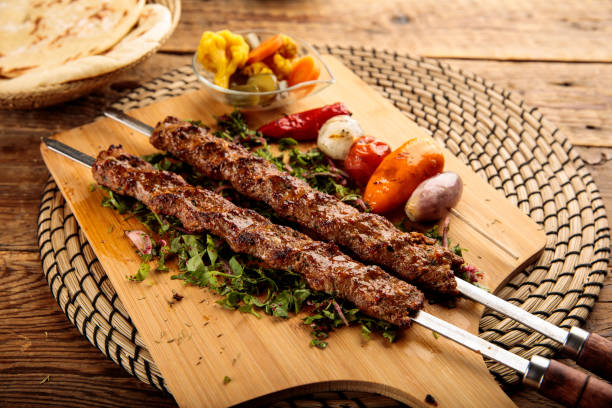
In this guide, you will discover what Turkish kebab is, explore its most popular varieties, learn how to prepare a homemade version, and find helpful tips for serving a flavorful meal that your family and guests will remember.
What Is Turkish Kebab?
Turkish kebab refers to a broad family of dishes prepared with meat, and sometimes vegetables, using techniques such as grilling, roasting, or slow cooking. Lamb, beef, and chicken are common choices, although the ingredients and preparation methods vary considerably across Turkey.
The word kebab is associated with cooked meat, but Turkish kebab is not one single recipe. It describes many dishes with distinct regional identities, seasonings, textures, and presentation styles.
Some kebabs are prepared with minced meat shaped around long metal skewers. Others use cubes of marinated meat, thinly sliced roasted meat, or meat cooked slowly in a covered dish. Many are accompanied by flatbread, grilled tomatoes, green peppers, onions, fresh herbs, and rice or bulgur.
One of the most appealing characteristics of Turkish kebab is its balance. The meat provides savory richness, charcoal adds a smoky aroma, and fresh vegetables or tangy accompaniments bring brightness to the plate.
Popular Types of Turkish Kebab You Should Know
Turkey’s kebab traditions are wonderfully diverse. Exploring different varieties is an excellent way to understand how ingredients and cooking methods influence the final dish.
1. Adana Kebab
Adana kebab is one of Turkey’s best-known regional specialties, originating in the city of Adana. It is traditionally prepared with minced lamb, often with a suitable amount of fat, seasoned and shaped around a long, flat metal skewer.
The meat is cooked over charcoal, producing a browned exterior and a juicy interior. Traditional preparations can include red pepper and other seasonings that provide a noticeable but balanced heat.
Adana kebab is commonly served with flatbread, grilled peppers, tomatoes, and fresh onion salad.
What makes it special? Its distinctive texture, charcoal aroma, and carefully balanced seasoning make it a favorite among people who appreciate bold grilled flavors.
2. Urfa Kebab
Urfa kebab is another famous minced-meat kebab, associated with Şanlıurfa in southeastern Turkey.
Compared with Adana kebab, Urfa kebab is generally milder in its chili heat, although recipes differ. Its flavor comes from the meat itself, the seasoning, and the grilling process rather than an overwhelming amount of spice.
Urfa kebab is an excellent option for diners who prefer savory, aromatic food without strong heat.
3. Şiş Kebab
Şiş kebab is a popular style made from pieces of meat threaded onto skewers and grilled. Lamb and chicken are common choices, and some versions use beef.
The meat may be seasoned with olive oil, garlic, black pepper, paprika, or other spices before cooking. Vegetables such as peppers and onions can also be grilled alongside it.
Because the meat is cut into smaller pieces, it cooks relatively quickly. Consistent cutting is important to ensure that all pieces finish cooking at approximately the same time.
4. Döner Kebab
Döner kebab is prepared by stacking seasoned meat on a vertical rotating spit. As the outside cooks, thin slices are shaved off and served.
Lamb, beef, chicken, and combinations of meats may be used, depending on the recipe and establishment.
Döner is often served in bread or flatbread, wrapped with vegetables, or arranged on a plate with rice and accompaniments.
Its appeal comes from the contrast between the browned outer layers and the tender slices underneath. The rotating cooking method also allows the meat to develop a distinctive roasted flavor.
5. İskender Kebab
İskender kebab is a celebrated dish associated with Bursa, Türkiye. It features thin slices of döner meat served over pieces of bread, commonly topped with tomato sauce and melted butter.
Yogurt is typically served alongside the meat, creating a delicious contrast between rich, savory flavors and cool, tangy freshness.
This dish is particularly satisfying for people who enjoy generous portions and layered textures.
6. Testi Kebab
Testi kebab is associated with central Anatolia, including the Cappadocia region. The dish is traditionally prepared with meat and vegetables in a sealed clay pot, which is cooked until the ingredients become tender.
The pot is opened before serving, making the presentation part of the dining experience.
Its slow-cooked preparation allows the flavors of the meat, vegetables, and seasonings to combine into a rich, comforting meal.
7. Beyti Kebab
Beyti kebab features seasoned minced meat that is grilled and then wrapped in flatbread. It is often sliced into portions and served with tomato sauce, yogurt, or melted butter.
The combination of grilled meat and soft bread makes it both visually appealing and satisfying.
Beyti kebab is a useful inspiration for home cooks who want to prepare a kebab-style meal that looks impressive without requiring an entire vertical spit.
Turkish Kebab at a Glance
| Kebab Type | Main Preparation | Flavor Profile | Typical Serving Style |
|---|---|---|---|
| Adana kebab | Minced lamb on a skewer | Savory and spicy | Flatbread and grilled vegetables |
| Urfa kebab | Seasoned minced meat | Mild and aromatic | Bread and onion salad |
| Şiş kebab | Cubes of meat on skewers | Grilled and savory | Rice, bread, or vegetables |
| Döner kebab | Meat cooked on a rotating spit | Roasted and richly seasoned | Wrap, sandwich, or plate |
| İskender kebab | Sliced döner over bread | Rich, buttery, and tangy | Bread, tomato sauce, and yogurt |
| Testi kebab | Meat and vegetables in a clay pot | Slow-cooked and hearty | Served hot from the pot |
| Beyti kebab | Grilled minced meat wrapped in bread | Savory and aromatic | Sliced with sauce and yogurt |
Homemade Turkish Chicken Şiş Kebab Recipe
If you are new to Turkish cooking, chicken şiş kebab is an excellent place to start. It uses accessible ingredients, requires minimal equipment, and works well on an outdoor grill or a stovetop grill pan.
This is a Turkish-inspired home recipe rather than a claim to reproduce one definitive regional version.
Preparation Details
| Recipe Detail | Information |
|---|---|
| Preparation time | 20 minutes |
| Marinating time | 1–4 hours |
| Cooking time | 12–18 minutes |
| Servings | 4 |
| Difficulty | Easy to moderate |
| Main cooking method | Grilling |
Ingredients
- 700 g boneless chicken thighs or chicken breast
- 3 tablespoons plain yogurt
- 2 tablespoons olive oil
- 2 garlic cloves, minced
- 1 tablespoon lemon juice
- 1 teaspoon paprika
- 1 teaspoon ground cumin
- 1/2 teaspoon dried oregano
- 1/2 teaspoon black pepper
- 1 teaspoon salt, or to taste
- 1 red bell pepper, cut into chunks
- 1 green bell pepper, cut into chunks
- 1 medium red onion, cut into wedges
For serving, prepare warm flatbread, sliced tomatoes, fresh parsley, and a simple onion salad.
Step 1: Prepare the Chicken
Trim any excess fat from the chicken and cut it into evenly sized pieces, approximately 1–1.5 inches wide.
Consistent pieces help the chicken cook evenly and prevent smaller portions from drying out while larger ones remain undercooked.
Chicken thighs tend to stay juicier on the grill, while chicken breast offers a leaner option.
Step 2: Make the Marinade
In a large bowl, combine the yogurt, olive oil, garlic, lemon juice, paprika, cumin, oregano, black pepper, and salt.
Mix until the ingredients form a smooth marinade.
Yogurt adds a pleasant tang and helps coat the chicken, while olive oil and spices contribute flavor and moisture.
Step 3: Marinate the Chicken
Add the chicken pieces to the marinade and stir until every piece is coated.
Cover the bowl and refrigerate for 1–4 hours. Avoid leaving raw chicken at room temperature during marination.
Although longer marination can develop flavor, an excessively long acidic marinade may affect the texture of the meat.
Step 4: Prepare the Skewers
Thread the chicken onto metal skewers, leaving small spaces between the pieces to encourage even cooking.
If using wooden skewers, soak them in water for at least 30 minutes before grilling to reduce the chance of burning.
Thread the peppers and onion onto separate skewers if you want greater control over their cooking time.
Step 5: Heat the Grill
Preheat an outdoor grill or grill pan to medium-high heat. Lightly oil the cooking surface if needed to help prevent sticking.
Allow excess marinade to drip off the chicken before placing it on the grill. Do not reuse marinade that has contacted raw chicken unless it is thoroughly cooked first.
Step 6: Grill Until Fully Cooked
Grill the skewers for approximately 12–18 minutes, turning periodically. The exact cooking time depends on the size of the chicken pieces, the heat level, and the equipment.
Chicken is safe to eat when its internal temperature reaches 165°F (74°C), measured with a food thermometer in the thickest pieces.
Look for lightly charred edges, a fragrant grilled aroma, and a fully cooked center.
Step 7: Rest and Serve
Remove the skewers from the grill and allow the chicken to rest for a few minutes.
Serve with warm flatbread, grilled vegetables, fresh tomatoes, parsley, and yogurt or garlic sauce.
For a complete meal, add bulgur pilaf or rice and a squeeze of fresh lemon juice.
The Secret to Flavorful Turkish Kebab
A delicious kebab depends on more than a generous amount of seasoning. A few small details can make a major difference.
Choose the Right Cut of Meat
Different kebabs require different textures. Minced-meat kebabs need an appropriate balance of meat and fat, while şiş kebabs benefit from pieces that remain tender during grilling.
For chicken, thighs are often forgiving because their higher fat content helps prevent dryness.
Avoid Overcomplicating the Marinade
A good marinade should complement the meat rather than hide its natural flavor. Garlic, olive oil, yogurt, lemon, and a few well-chosen spices can be enough.
Traditional recipes differ, so there is no single seasoning combination that applies to every Turkish kebab.
Control the Heat
A hot grill helps create attractive browning and a flavorful crust. However, excessive heat can burn the outside before the center is cooked.
Turn the skewers as necessary and move them to a cooler area of the grill if flare-ups occur.
Do Not Crowd the Skewers
Leaving small gaps between pieces allows heat to circulate. Overcrowding can cause uneven cooking, especially when meat and vegetables are threaded tightly together.
Let the Meat Rest
A short resting period after grilling helps the juices redistribute and makes the meat more enjoyable to eat.
Remember this simple phrase: great kebab begins with good ingredients and finishes with careful heat control.
What to Serve With Turkish Kebab
Traditional accompaniments add freshness, texture, and variety to a kebab meal.
Turkish bread or flatbread: Ideal for wrapping grilled meat or soaking up flavorful juices.
Bulgur pilaf: A satisfying grain dish that pairs well with grilled chicken and lamb.
Shepherd’s salad: A refreshing combination of tomatoes, cucumbers, onion, parsley, lemon juice, and olive oil.
Grilled vegetables: Peppers, tomatoes, onions, and eggplant complement the smoky character of grilled meat.
Yogurt sauce: A cool yogurt-based accompaniment can balance spicy or richly seasoned kebabs.
Pickled vegetables: Their acidity provides a sharp contrast to savory meat.
For a colorful family dinner, arrange the kebab in the center of a platter and surround it with bread, vegetables, salad, and sauce.
Is Turkish Kebab Healthy?
Turkish kebab can fit into a balanced diet, but its nutritional value depends on the meat, cooking method, portion size, and accompaniments.
Grilled chicken, lean meat, and vegetable-based sides can provide protein and important nutrients. Preparing kebab at home also makes it easier to control salt, added oil, and portion sizes.
However, some restaurant kebab meals can be high in saturated fat, sodium, or calories, particularly when served with large amounts of butter, creamy sauces, or fried sides.
For a balanced plate, combine a moderate portion of grilled meat with vegetables, salad, and a suitable serving of rice, bulgur, or flatbread.
Vegetarian options using grilled vegetables can also provide variety, although their nutritional content depends on the ingredients used.
Common Turkish Kebab Cooking Mistakes
| Mistake | Why It Happens | How to Improve the Result |
|---|---|---|
| Dry chicken | Overcooking or uneven pieces | Cut evenly and check internal temperature |
| Bland meat | Insufficient seasoning or marination | Season evenly and allow time for the flavors to develop |
| Burnt exterior | Excessive grill heat | Reduce heat and turn the skewers regularly |
| Meat sticks to the grill | Grill is not properly preheated or oiled | Preheat the surface and oil it lightly |
| Uneven cooking | Overcrowded skewers | Leave small gaps between pieces |
| Watery marinade | Too much liquid or wet ingredients | Use measured quantities and allow excess marinade to drip off |
Frequently Asked Questions About Turkish Kebab
What is the most famous Turkish kebab?
Adana kebab and döner kebab are among the best-known varieties internationally. However, regional specialties such as İskender kebab, şiş kebab, and Urfa kebab are also widely appreciated.
What meat is traditionally used in Turkish kebab?
Lamb, beef, and chicken are common choices, depending on the dish and region. Some recipes combine different cuts or types of meat, while others focus on a specific preparation.
Is Turkish kebab spicy?
Not always. Adana kebab is often seasoned with chili, while Urfa kebab is generally milder. Many other kebabs rely on aromatic spices rather than strong heat.
Can I make Turkish kebab without an outdoor grill?
Yes. A grill pan, oven broiler, or suitable oven-roasting method can produce delicious results. The flavor may differ slightly from charcoal grilling, but the meal can still be excellent.
What is the difference between döner and şiş kebab?
Döner is cooked as stacked meat on a rotating vertical spit and sliced as it browns. Şiş kebab consists of pieces of meat threaded onto skewers and cooked directly over heat.
How should leftover kebab be stored?
Refrigerate cooked kebab in a covered container within two hours of cooking, or within one hour when the surrounding temperature exceeds 90°F (32°C). Use refrigerated leftovers within 3–4 days and reheat them to 165°F (74°C).
Conclusion: Bring the Taste of Turkey to Your Kitchen
Turkish kebab represents a wonderful combination of culinary tradition, simple ingredients, and carefully developed cooking techniques. From the bold seasoning of Adana kebab to the comforting richness of İskender kebab and the familiar appeal of chicken şiş, each variety offers a different way to experience Turkish food.
Making kebab at home does not require professional equipment. Choose suitable ingredients, prepare a balanced marinade, cut the meat evenly, and pay close attention to the heat. Serve your finished kebab with fresh salad, warm flatbread, grilled vegetables, and a flavorful sauce to create a meal that feels both satisfying and special.
Start with the homemade chicken şiş recipe, then explore other regional styles as your confidence grows. You may discover a new family favorite along the way.
Good food brings people together, and a freshly grilled Turkish kebab is a delicious way to make that happen.